
Cat bonds: with El Niño, the climate risk map is shifting towards the Pacific
According to Artemis, catastrophe bond issuance reached a record high of over $11.3 billion in the second quarter of 2026. Fewer hurricanes in the Atlantic mean more typhoons in South-East Asia and along the western coasts of the Americas. And greater volatility linked to floods and droughts

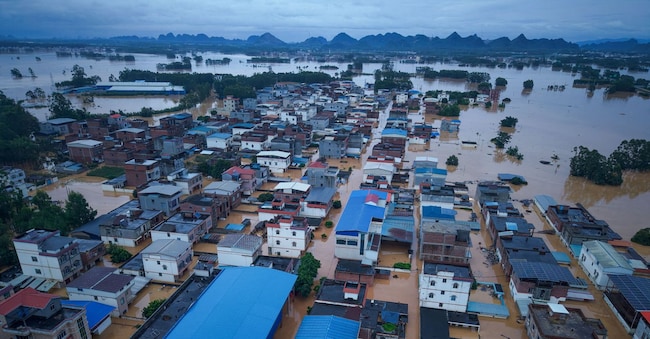
El Niño – that is, the abnormal warming of the waters of the Pacific Ocean – alters the geographical distribution of heat. By mitigating its effects on the Atlantic, it geographically redistributes climate risk across several regions, with a direct impact on the performance and composition of insurance-linked securities (ILS), namely those financial instruments that enable insurance companies to transfer a range of severe natural risks (from earthquakes to floods, from hurricanes to tornadoes) to investors in the capital markets. Within this category, ‘cat bonds’ (catastrophe bonds) are the liquid – and therefore tradable – securities in a market where investors subscribe to them and, if no catastrophic events occur, receive coupons that reflect the insurance premiums. If, however, such events do occur and exceed certain pre-set thresholds, that capital is converted into compensation to pay out claims, and the coupon is converted into compensation for the adverse weather event that has actually occurred.
“Usually, the main concentration of value in insurance-linked securities is hurricane risk in the Atlantic basin,” explained Marco Della Giacoma and Toby Pughe, portfolio managers at Tenax Capital. “ However, the presence of El Niño, on the one hand, mitigates the threats in the Atlantic by reducing their intensity and frequency, whilst, on the other hand, it increases the formation of systems in the Pacific. Consequently, the risk of tropical storms is shifting more significantly from the Gulf of Mexico, the US and Central America towards South-East Asia, Japan, the Philippines, Indonesia and the western coasts of the Americas. Not only that, but volatility linked to other events, such as floods and droughts, is also increasing.”
According to a report by the specialist website Artemis, catastrophe bond issuance reached a record high of over $11.3 billion in the second quarter of 2026. Figures for the first quarter of 2026 show that global insurance losses from natural disasters remained below $30 billion, marking the lowest level since 2019 and representing a sharp decline from the approximately $50 billion recorded in the same period of 2025.
“The probability of a strong or super-strong El Niño,” continued Della Giacoma and Pughe, “is now 70 per cent for the peak months of August, September and October, and just under 90 per cent for September, October and November. Given that these are the peak months in which historic storms have typically occurred, we have adjusted our liquidity positions to a slightly less defensive stance and increased our exposure to certain US hurricane risks in line with the forecasts. June was an exceptionally busy month for primary issuance, with fifteen transactions on the market and aggregate issuance exceeding $2.5 billion. European issuers also played a significant role, with Gothaer’s first German bond of €100 million to cover flood risks and Achmea’s Windmill III Re transaction of €100 million – increased by a third – both benefiting from strong investor appetite. Yields stood at 17 per cent three years ago and settled at around 8 per cent last year. Looking ahead – Della Giacoma and Pughe add – they are expected to range between 8 and 10 per cent. Meanwhile, globally, we expect growth of 10 per cent a year over the next five years.’
“Given this climate outlook,” reads the latest report from the analysts at Quaestio Sgr, “we have adopted a clear underweight position in secondary risks relative to primary risks. On the liquid front, we have added a new cat bond fund characterised by a higher expected loss (expected loss), deliberately seeking to capture higher returns precisely because of the lower overall probability of Atlantic hurricanes; at the same time, we have reduced our exposure to a manager specialising in Asian risks. Concurrently, we have increased the private reinsurance component by adding a new fund to benefit from the liquidity premium, countering the general narrowing of spreads currently affecting the asset class following hurricane seasons that have been less active than in previous years, and with the aim of further diversifying the risks within the portfolio.”

