
Catania, VAT evasion of 30 million discovered: 10 arrests and seizures at 17 companies
VAT evasion worth EUR 30 million, ten people arrested and assets seized from 17 different companies. The head of the criminal association is said to be an unmarried man, born in 1983, son of a member of the 'Santapaola' mafia clan

3' min read
3' min read
VAT evasion worth EUR 30 million: ten people were arrested and assets were seized from 17 different companies. The ringleader of the criminal association was allegedly an unconvicted man, born in 1983, son of a member of the 'Santapaola' mafia clan, who is currently held under the 41 bis detention regime in Sulmona prison.
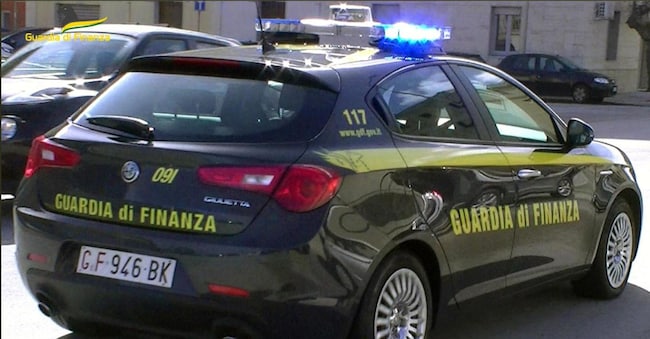
The financial officers of the Provincial Command of the Guardia di finanza of Catania, with the support of the Corps' Units located in the provinces of Venice, Vicenza, Messina, Siracusa, Salerno, Rome, Padua, Rieti, L'Aquila and Milan, executed a prudential measure order against 30 suspects, with which the judge for preliminary investigations at the Court of Catania, in the current state of the proceedings in which the parties have not yet been cross-examined, ordered personal precautionary measures against 10 people (6 in prison and 4 under house arrest), seriously suspected, for various reasons, of criminal conspiracy aimed at tax evasion and fraud and multiple bankruptcy conduct; precautionary disqualification measures were ordered against another 17 people, all under investigation, with a ban on exercising business activities, as well as on holding managerial or administrative offices and functions in partnerships or joint-stock companies, even through intermediaries, for a period of one year; the preventive seizure, in direct form, of sums of money in the ownership of 17 corporations and 25 suspects and, in subsidiary form, of the financial and patrimonial assets (immovable and movable property) of the latter up to a total value of more than EUR 30 million, corresponding to the VAT evaded.
Operation "last toast"
.The service operation called 'Ultimo Brindisi', coordinated by the EPPO (European Public Prosecutor's Office) in Palermo and conducted by the military of the I Group of the Guardia di Finanza in Catania, concerned an articulated criminal group that allegedly illicitly marketed beverages in the national territory in evasion of VAT.
The investigation led to the identification of an organisation structured on a pyramid scale which, hiding behind so-called blockheads, managed de facto paper companies (missing traders) and interposed companies (buffers), through which they carried out the massive VAT evasion.
The paper companies were used to use and issue invoices for non-existent transactions in the marketing of beverages that, thanks to tax evasion, could be sold at highly competitive prices.

