
The CEO of H&M: 'Our goal? Always the same: to create accessible fashion'
For Daniel Ervér, ceo of H&M and of the H&M Group worldwide, the group's challenge has not changed since 1947, the year of its birth. But it has to be approached with social and environmental sustainability in mind

3' min read
3' min read
Trascurables of pronunciation aside (some read the two letters in English, some do it in Italian, some even try in Swedish), H&M is a name that everyone knows, although perhaps not everyone knows how long its history is. The company was founded in 1947 and today is a global giant listed on the Stockholm Stock Exchange: H&M's fiscal year ends at the end of November, and on 26 October the results for the first nine months (December 2023-August 2024) were announced, with revenues of SEK 172.2 billion (over EUR 15 billion), a result in line with the same period of the previous fiscal year, but with growth in profitability ratios and margins, and therefore accompanied by cautious optimism from the company's top management and the expectation that September sales would increase by 11% and that the fourth quarter as a whole would be positive. Daniel Ervér, ceo of H&M and the global group of the same name, did not comment on the figures, but went into detail about his and the company's vision for the present and future.
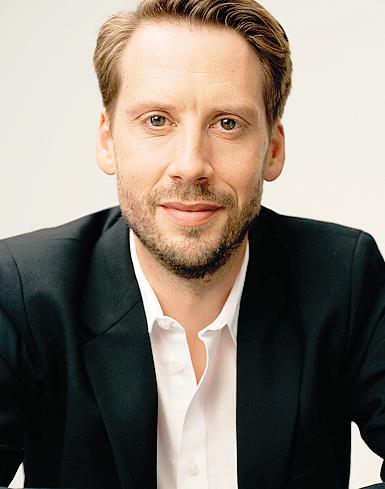
In 2027 you will be celebrating 80 years: since the post-war period the world and the fashion industry have changed radically. So has H&M?
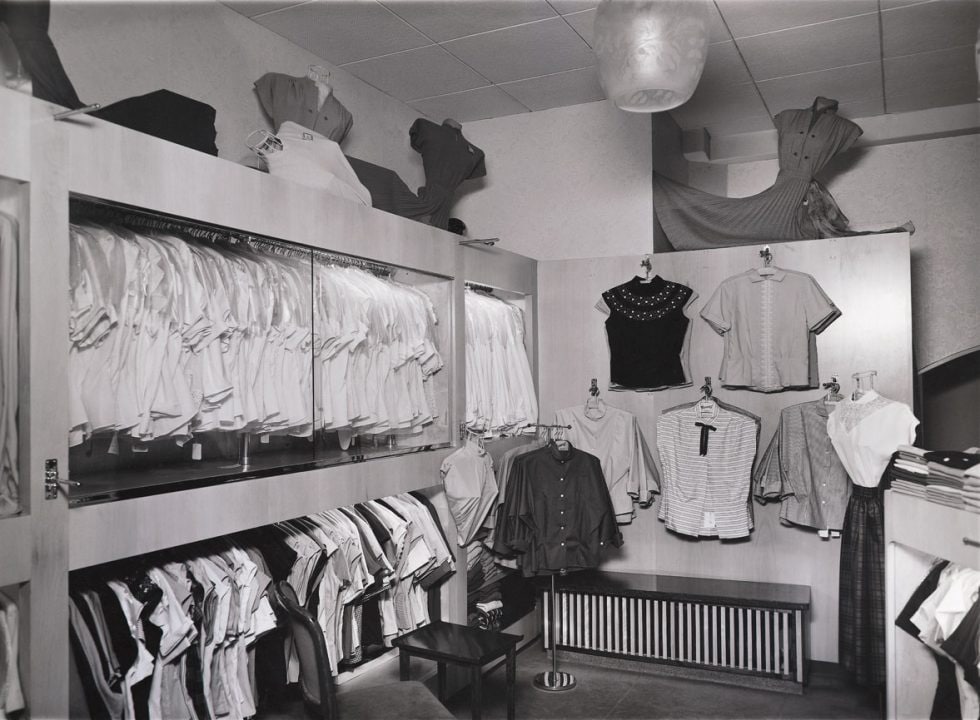
The group is perpetually evolving and transforming, as well as growing, but one thing has never changed. The aim of the founder, when he opened the first shop in the Swedish town of Västerås in 1947, at a time when fashion was certainly not accessible to everyone, was to sell women's clothing at, precisely, affordable prices. Today, we all still share that same goal (there are about 150,000 employees worldwide, ndr), but we can add that we want to achieve it by following social and environmental sustainability criteria. Our claim is the synthesis of this path: fashion and quality at the best and sustainable price.
Since 1947, the communication and knowledge of fashion has also changed a lot, don't you think?
Of course it has, and social networks have further accelerated this process. But here too, I am convinced that one thing has not changed: fashion is a means of expressing oneself, of telling something about oneself, or perhaps even of giving one's best. Don't you think that this is a right to be guaranteed to everyone, today as it was 80 years ago?
How, however, do you reconcile increased production and sales with sustainability?
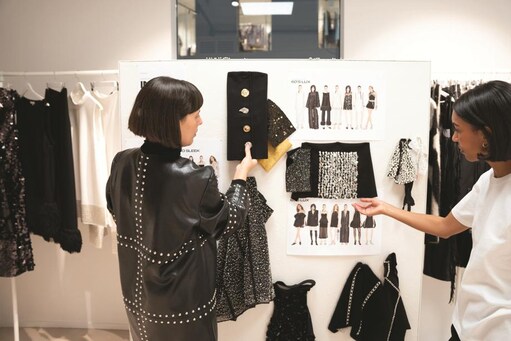
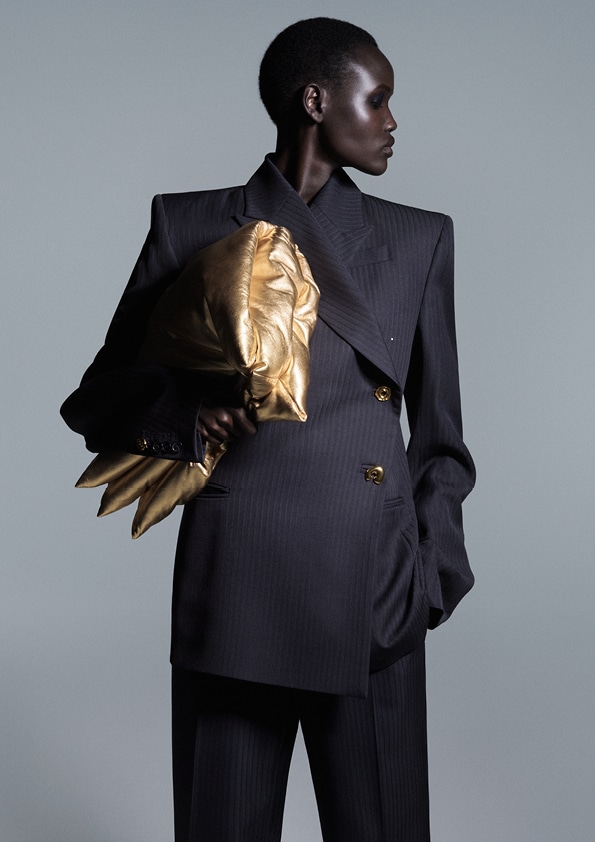
It is possible by making a commitment, externally and internally. Let me explain: at the centre of everything must always be the product and its desirability, and that is why we have style offices that have grown in step with the size of the brands and the spread in different markets or product categories. We have never thought of taking shortcuts on this, taking inspiration from collections that already existed on the market: effort, indeed, creative passion will always be the driving force behind everything. But we must listen to the signals coming from customers, understand how needs and tastes change. Sometimes we can manage to anticipate changes or needs, as happened with the collaborations that H&M has presented with internationally renowned designers: the first was with Karl Lagerfeld, twenty years ago, precisely with the intention of making the creative vision of such a genius, who at the time was already the creative director of a luxury maison like Chanel, accessible to all. All around the product, attention to environmental sustainability is constantly evolving, and one can also be very creative in seeking and finding ways to save energy, reduce waste, and use new materials.
How do you involve customers in this evolution?
The new generations, although generalising is dangerous, are very attentive to what they buy and how brands tell their behind-the-scenes stories. We listen, I repeat, and then we communicate and announce recycling or upcycling projects, with a focus on the circular economy, new materials and in-store experiences, also designed with sustainable architecture in mind.


