Patrons

The ceo of the world's first sovereign wealth fund and Scandinavia's most ambitious museum

It looks like a colossal piece of Lego on the island of Odderøya. Nicolai Tangen, the tycoon who financed it, has enriched it with his enormous collection of Nordic art. Stunning, like the architecture that houses it.

of Christian House
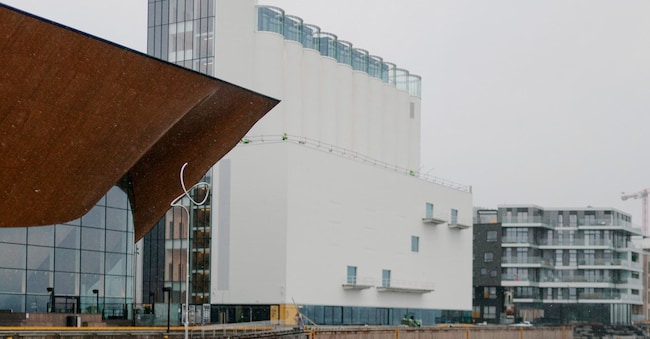
Il museo d’arte Kunstsilo  aKristiansand, sull’isola di Odderøya, in Norvegia, accanto al teatro Kilden Performing Arts Centre. Per tutte le immagini dell’articolo ©Sigrid Bjorbekkmo

6' min read

6' min read

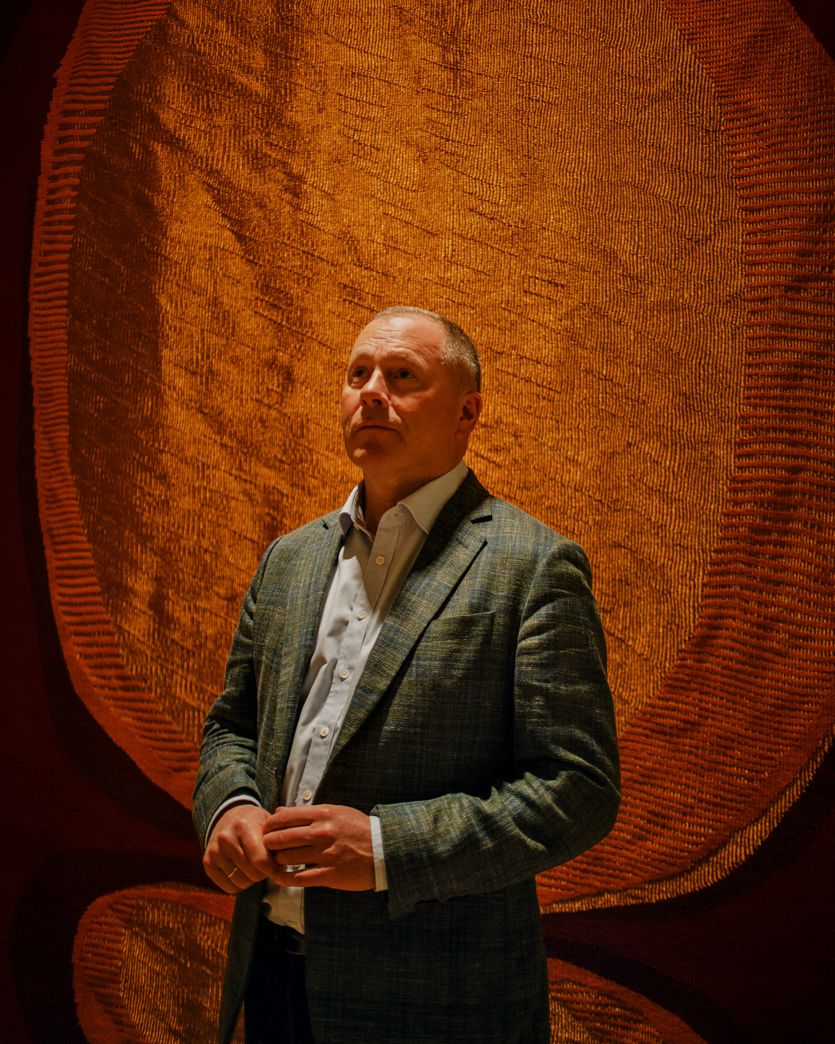
Nicolai Tangen knows how to break down all kinds of barriers. The former hedge fund manager now runs the Norwegian Sovereign Wealth Fund, the largest of its kind in the world (Tangen is called 'the trillion-dollar Norwegian'). As my boat approaches the harbour of his hometown, Kristiansand, on the southern coast of Norway, I notice that here his patronage has succeeded in promoting conservation: he has helped convert a pre-war grain warehouse on the island of Odderøya - a military fortress turned into a park - into one of Scandinavia's most ambitious art museums, and has enriched it with the world's largest private collections of modern Nordic art. Kunstsilo, a much-debated €60 million-plus project that combined public and private funds, opened its (huge) doors last year after eight years of construction. Upon my arrival in the milky Nordic light, it stands out like a colossal piece of Lego among the spring snow. Designed by Arne Korsmo in 1935, the structure once held some 15,000 tonnes of grain. After supplying the local mills for three quarters of a century, it was closed in 2008 and has been abandoned ever since. "It was a crumbling building," Tangen explains, showing me around the site. "It was a ruin. Now it is beautiful." At the age of 57, he has the strength, attitude and confidence of a man used to handling the responsibility of power and a network of important relationships: one day he is dealing with the finance minister and the next day he is skiing. His frank smile and his weekend look (today black jeans, a checked jacket and loafers) conceal his temperament.
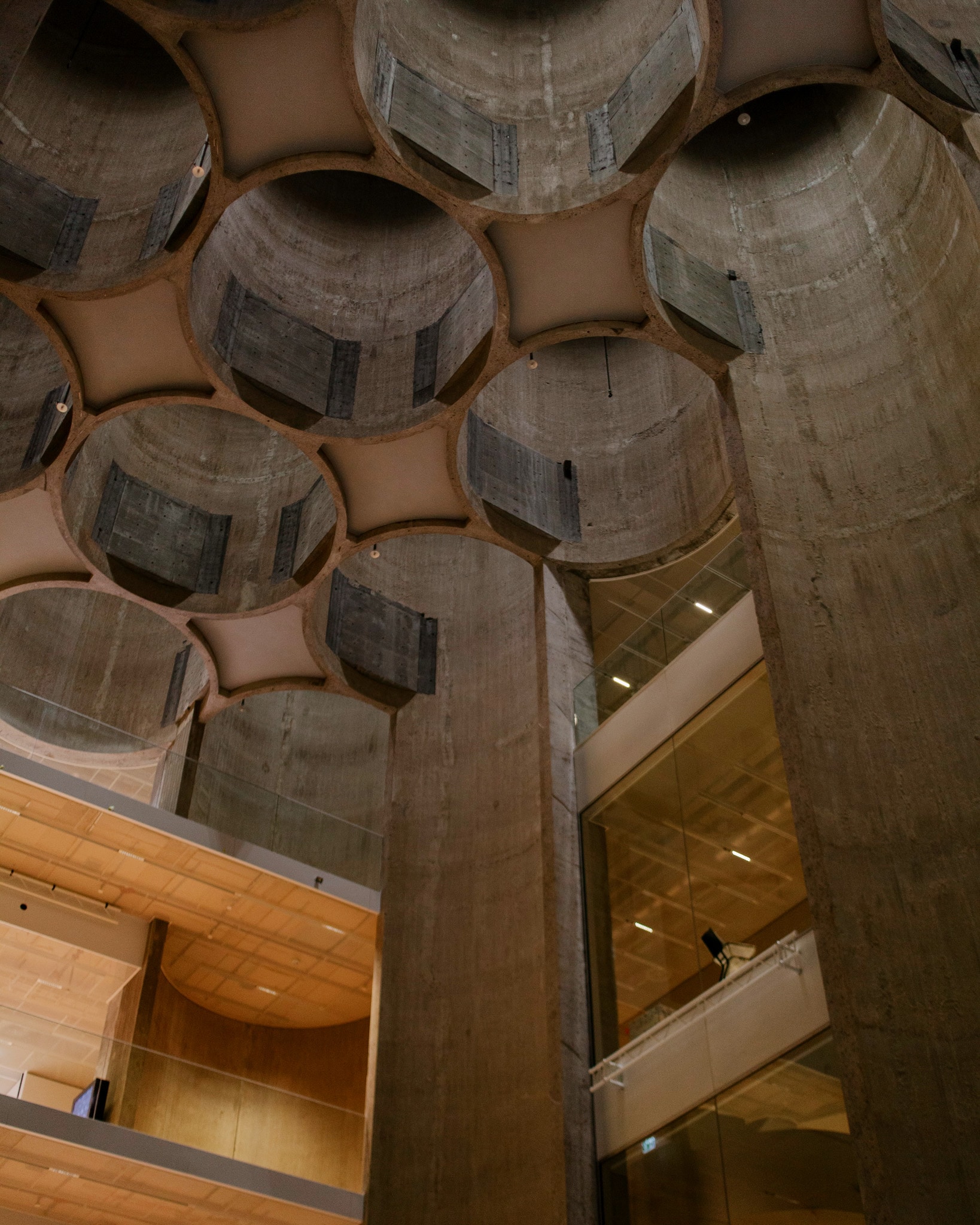
L’interno del museo dalla Silo Hall.

Tangen grew up in Kristiansand in the 1970s, just when the Norwegian oil boom on the Stavanger coast had changed the country's fortunes. His father was a successful local entrepreneur, but it was his mother, an art historian, who nurtured his interest in the visual arts. "We travelled all over Europe visiting museums. I was bored to death, of course. And then at some point something broke through in me'. So, as his career in finance took off in London - where he founded AKO Capital (the initials are those of his eldest sons), managing a fund now worth $23.1 billion -, his encounter with the world of collecting became something of an obsession. In 2003, he took a two-year sabbatical to attend an MA at the Courtauld Institute of Art in London. At first he immersed himself totally in Norwegian art, and then widened his gaze to the production of other Nordic countries.
Loading...

Nicolai Tangen nel Kunstsilo.

Kunstsilo was transformed by the Spanish-Norwegian studio Mestres Wåge Arquitectes, in collaboration with the creative studio MX_SI. Its functionalist façade has been softened by cream-coloured shades. Inside, thirty silos have been cut out, like truncated tubular bells, leaving a central void that can be used for concerts and light and sound installations. Twenty-five galleries spread over three floors offer 3,300 square metres of exhibition space, while at the top of the building, 360-degree views of the landscape are filtered through glass prisms. Below, the pier has become another performance space - and for swimming - as the city turns to summer.

Tangen's philanthropic organisation, AKO Foundation, has contributed just under EUR 18 million to the restoration and he has donated his personal collection of about 5,500 works - with an estimated value of about EUR 48 million - to add to the city's regional art collection. "It is a gift to the Foundation, which then lends the collection to Kristiansand for eternity," Tangen explains. "The works will never be returned to me."
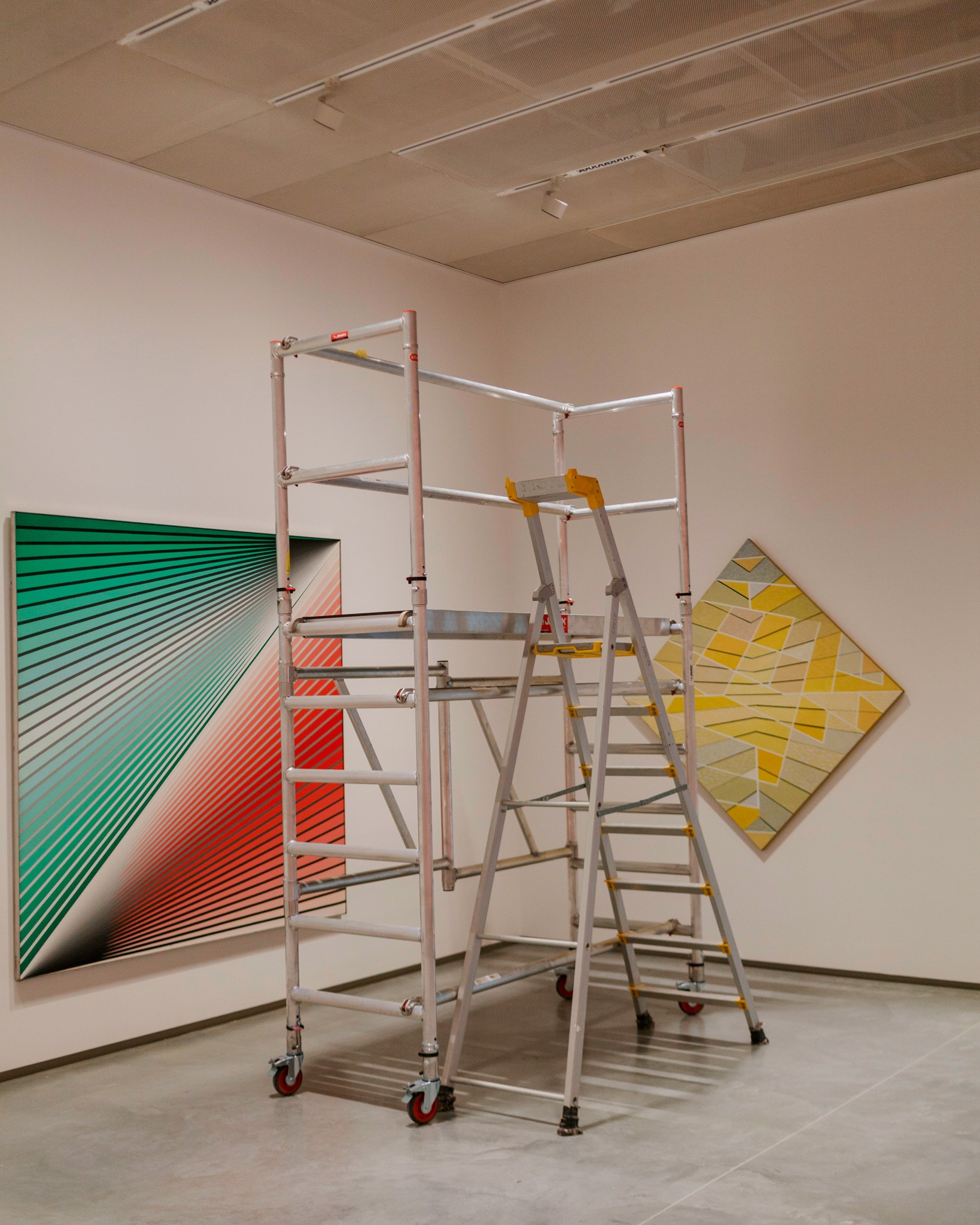
 

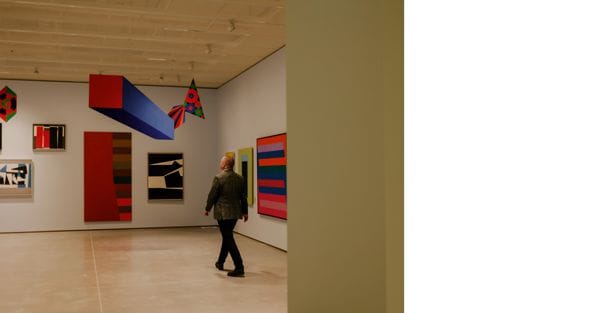
Da sinistra, “A Song For Ho Chi Minh, in Heaven and his Ceiling”(1975), di Per Kleiva, e “Untitled” (1975), di Outi Ikkala.

Some citizens and local personalities opposed the project. With its strong tradition of social democracy, Norway embraces the so-called janteloven, a code of conduct that frowns upon exaggerated displays of prosperity. "Norwegians are suspicious of wealth," says Tangen, who has remained impassive in the face of criticism, likely exacerbated by the conflict of interest controversy surrounding his appointment as manager of the Sovereign Wealth Fund in 2020. Following requests from the Norwegian Parliament's finance committee, Tangen agreed to divest his ownership of AKO Capital. Although he now lives in Oslo, he spends his holidays at his summer home in Southern Norway. Perhaps, some thought that, like so many other institutions, spending public funds on Kunstsilo was a waste. "It was either Kunstsilo or homes for the elderly, or Kunstsilo or kindergartens. That's how many people saw the issue,' Tangen explains. "There were, however, many people in Kristiansand who sacrificed so much to support the enterprise."

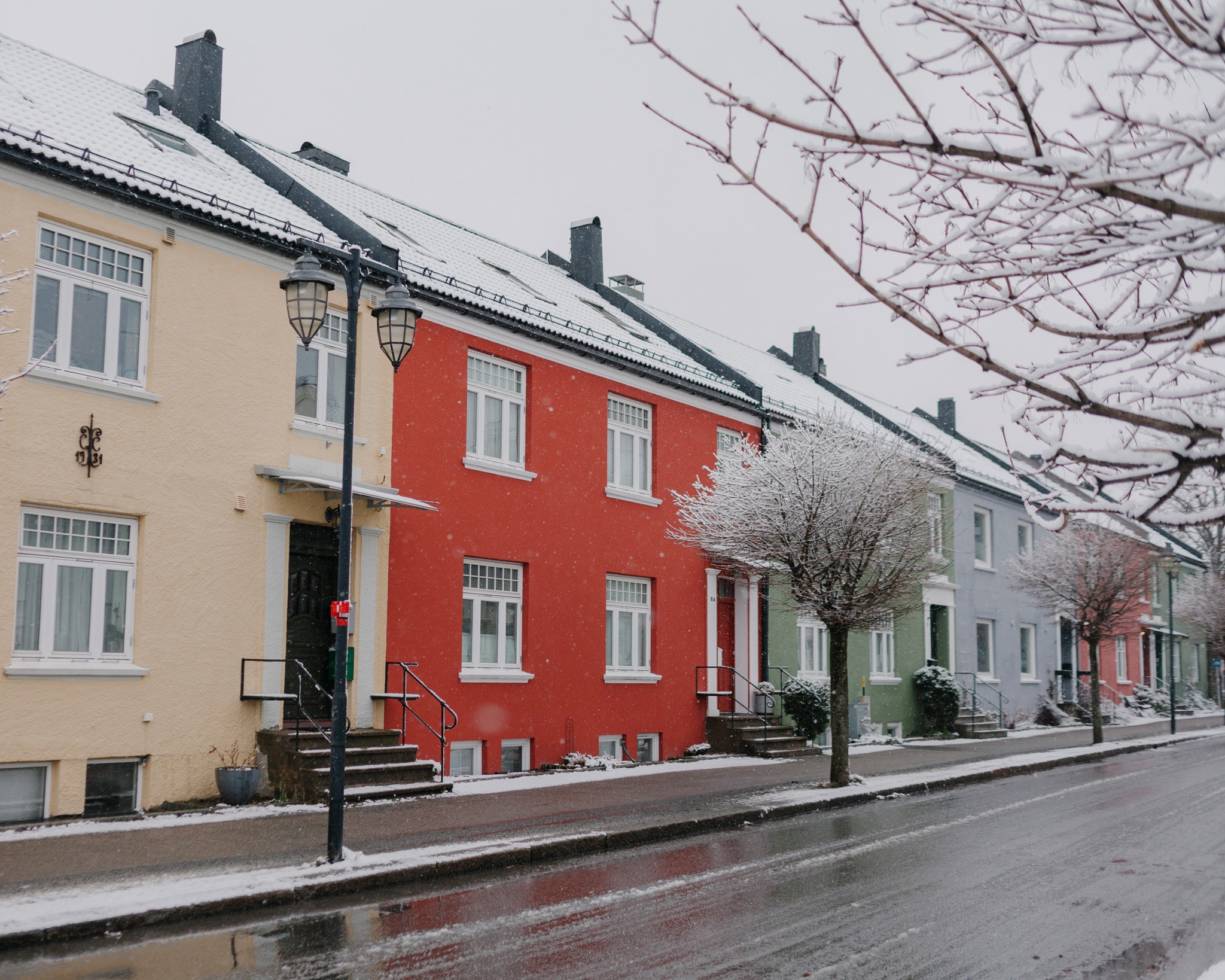
Case tradizionali nella città vecchia di Kristiansand.

Geographically, the collection covers an area that includes Norway, Sweden, Denmark, Finland and Iceland, from the 1910s to the 1990s, and aims to tell the story of Nordic artists' involvement with the rest of the world. In one particularly interesting room is a 17th century barn, transported - log by log - by installation artist Marianne Heske from a valley north of Oslo to the Centre Pompidou. Elsewhere, organic glazed forms made by Danish ceramist Axel Salto in the 1950s are juxtaposed with pieces by contemporary British ceramist Edmund de Waal. Tangen wanted to focus on the "richness of the proposal, the depth of the works and their breadth". "The collection stands out both locally and globally," adds Karin Hindsbo, director of the Tate Modern in London. "Looking at it, you can tell that Nicolai is a scholar."

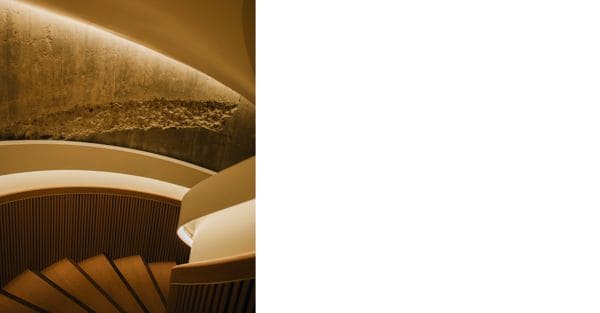
Le scale della Silo Hall.

Tangen explains that his approach to collecting was strategic from the beginning: "It is not a collection put together with random ideas, there is a scientific method behind it". The academic approach, guided by experts from each Nordic country, is similar to the business world's concept of due diligence: "It was like researching a new company". His intention was to create "a personal interpretation of Nordic Modernism, perhaps with less focus on figurative art. Nobody had ever collected and put together the works of the entire region in one place'.

His taste tends towards colour and abstraction. "Realistic painting is not for me, the obvious bores me. Some specialists or professors said that post-war figurative art and language was underrepresented, but personally I think Norwegian figurative art is generally sad: poor shipyards, loneliness and unhappiness. So I think it is really liberating to have this gap in the collection'.

The inaugural exhibition curated by art historian Åsmund Thorkildsen and entitled Passions of the North, with 600 works - presented through themes such as home, nature, cars, faces and masks - ended with a touch of Nordic noir. "The last room explained what the experience of living here really is," says Thorkildsen. "Everything very dark, very bleak. Steep hills and deep valleys, in the forest it is so dark it looks black. This is where we come from."

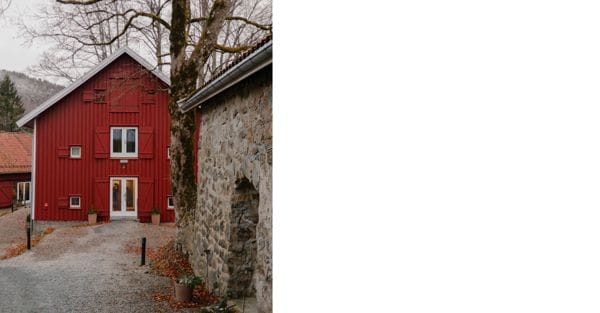
Casa vacanze Boen Gård lungo il fiume Tovdalselva, a Kristiansand.

Kristiansand, says Tangen, "is not Las Vegas. It is quiet and relatively religious, a small traditional town'. With a population of 112,000, it was founded by Christian IV in 1641, using a special grid system called Kvadraturen (quarters) for the streets. At the end of this grid, towards the city centre, the historical quarter of Posebyen attracts tourists with quiet streets between white wooden buildings from the 19th century. All streets seem to lead to the sea. In summer Kristiansand hosts the Regatta dei Grandi Velieri, The Tall Ships Races. Boats can be hired to explore the archipelago of islands dotted with cottages and, in the Michelin-starred Under restaurant, you can eat underwater.

Tangen cammina all’interno della mostra “Passioni del Nord”.

The southern coast of the country, known as Sørlandet, is often referred to as the Riviera of Norway. Although temperatures hover around 21 degrees in July, it attracts millions of visitors to Kristiansand in the high season. Families gather in the town zoo and the amusement park, dedicated to the pirate Captain Sabre, a kind of Nordic Jack Sparrow, which is very popular. "We are the number one holiday destination as far as national summer tourism is concerned," explains the mayor of Kristiansand, Mathias Bernander. The opening of Kunstsilo is part of a broader cultural transformation that started successfully in 2012 with the construction of the Kilden concert hall next to the museum: its large wooden façade is reminiscent of the hull of a ship cutting through water. Now Kunstsilo is helping to attract visitors - both Norwegian and international - outside the summer season: in October last year, only a few months after its opening, the gallery had already reached its target for 2024 of welcoming 150,000 visitors.

Le scale della Silo Hall

Tangen claims that he donated his collection to Kristiansand to give something back to the region where he was born and compares the project to the biblical episode of David versus Goliath: the local attractions versus those of the capital. "There is so much to see in Oslo," he admits. "But I think you can beat even the giants." Parting with some works was difficult. "I had some prints by Rolf Nesch on which I had written my master's thesis. When I took them off the wall I cried, I had looked at them every day for 20 years," he recalls. 'But I learnt an important lesson from my mother, that you have to give the dearest thing you have. Otherwise, what is the point? The gallery is the kind of place I wished existed when I was young. I would have spent all my time there, I would have loved it."

Copyright reserved ©
Loading...
Loading...

Newsletter

Notizie e approfondimenti sugli avvenimenti politici, economici e finanziari.

Iscriviti