
Cerzeto wind farm: the 18 MW project is now in limbo

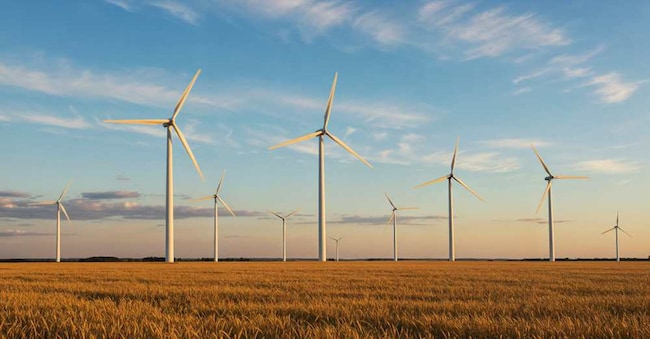
The “Cerzeto” wind farm was due to be built on the ridges between Mongrassano and Cerzeto, in the province of Cosenza. An 18-megawatt plant, proposed by STHEP Srl, featuring wind turbines over 200 metres tall and an estimated investment of over 17 million euros. Today, however, the project is at a standstill. It has not been definitively rejected, but is stuck at a crucial stage of the authorisation process. The Cerzeto wind farm is therefore a case of a green energy project that has stalled before receiving the go-ahead. It is a story that highlights the paradox of Calabria’s energy transition: new megawatts from clean sources are needed, but without sound preliminary studies, guarantees and convincing projects, even the wind remains at a standstill.
The issue came to a head on 20 April 2026, during an open town council meeting in Mongrassano. At that meeting, councillors and residents outlined the key concerns regarding the project: its location, distance from residential properties, hydrogeological risk, noise impact, supporting infrastructure and financial guarantees. One of the points raised concerned the relationship between the value of the investment – estimated at over 17 million – and the share capital of the proposing company, stated as 10,000 euros.
Three days later, the administrative decision was issued that transformed the political case into a technical one. By letter ref. 331746 dated 23 April 2026, the Department for Environmental Sustainability of the Calabria Region put the application for a Single Authorisation on hold, requesting around 40 additional design details within thirty days. The documentation was deemed incomplete.
The Region’s requirements relate to the key aspects of a renewable energy plant: connection to the grid, distances from built-up areas, electromagnetic fields, noise impact, forestry restrictions, communal land use rights, any felling of olive groves, financial stability, and security deposits for decommissioning and site restoration. Without adequate responses, the project risks being shelved.
This case is telling because it does not merely illustrate local opposition to wind turbines. It highlights the point at which many renewable energy projects come to a standstill: not on paper in terms of energy targets, but in the transition from industrial proposal through to authorisations, planning restrictions and public guarantees. In Calabria, the issue is even more sensitive, as inland and mountainous areas are often fragile and lack adequate infrastructure.


