Ces 2026: mutant PCs, glasses and AI everywhere: Lenovo's prototypes

LAS VEGAS (USA) - Lenovo proofs of concept are not for selling. They are for orientation. The most striking one presented at the Consumer Electronic Show in Las Vegas is the ThinkPad Rollable XD Concept. A laptop that unrolls, gains over 50 per cent surface area and changes shape depending on the task at hand. Spreadsheets, presentations, code: more space when you need it, less weight in your backpack. It is the idea of the PC as an adaptive organism, not as a rigid object.
We took a close look at them during a dedicated demo. They are machines that transform. The ThinkBook Plus Gen 6 Rollable AI laptop extends from a compact 13.3" to a near 16" workspace, supporting mobile multitasking and adaptive workflows. It offers users over fifty per cent additional screen space without having to carry a 16-inch notebook. The ThinkPad Rollable XD Concept's Swipe to X touch and voice controls allow users to easily launch apps or switch modes with a voice command or a simple gesture.
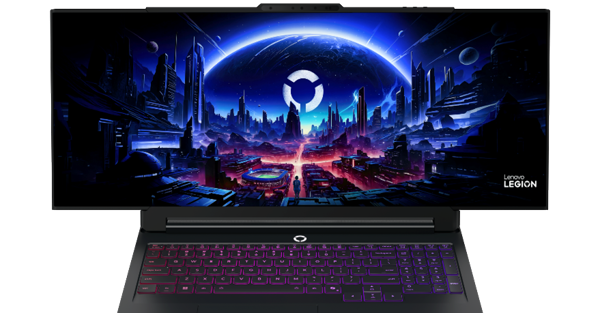
Still on the subject of mutant computers, the Legion Pro Rollable Concept, a prototype that shows how adaptive displays can enhance competitive and immersive gaming experiences, will be particularly appreciated by gamers and creatives.
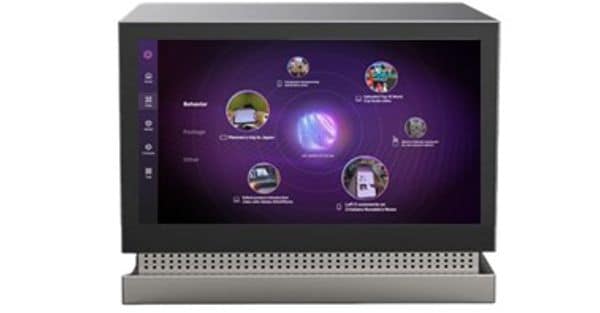
Then there is the Personal AI Hub Concept: a 'home brain' with Nvidia Grace Blackwell chips. Basically a personal mini data centre. It serves to run private AI models, trained on user data. It is Lenovo's answer to a growing question: where will personal AI live? In the cloud or at home?
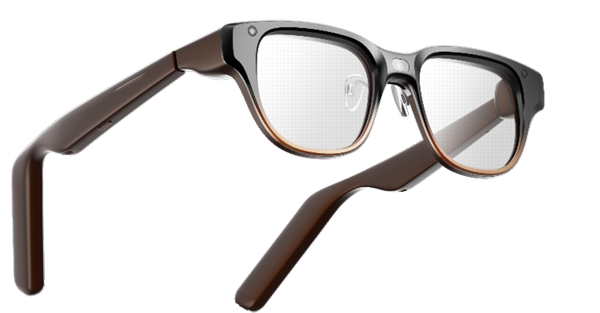
AI Glasses Concept brings AI to the eyes. Real-time translation, contextual suggestions, visual reminders. It is computing that stops demanding attention and moves into the background. Always on, never intrusive. At least in intentions. For now it's just a concept but soon, make sure the software arrives.