
House votes against tariffs, symbolic slap in the face of the president
Six Republican dissidents joined Democrats in rejecting tariffs on imports from Canada. New study by the New York Federal Reserve: 90% of tariffs are actually paid by American consumers and companies
by Marco Valsania - New York
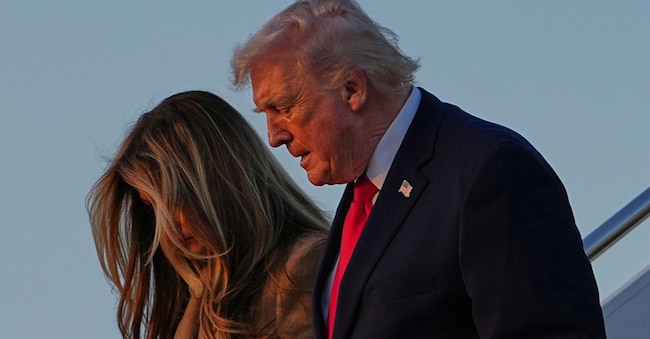
Congress' slap in the face to Donald Trump's trade policies, symbolic but resounding. The US House has rejected the tariffs against Canada, imposed by the National Economic Emergency Act that is behind much of the president's protectionism: it has approved a motion for their cancellation proposed by the Democratic opposition, thanks to the defection of six Republicans. The motion, voted by 219 MPs against 211, now goes to the Senate, which is ready to pass because it had already passed such a measure.
The symbolic value lies in Trump's promised veto and insufficient support to override it - a two-thirds congressional majority would be needed. But that the rejection stings was evident from the president's reaction: he excommunicated the rebel conservative patrol. The dissidents defied all efforts by House Speaker Mike Johnson, a staunch Trump ally, to keep the ranks together. One of the defectors, Nebraska Congressman Don Bacon, cited heavy demands to change his vote "from everyone", from Republican Party leaders and the White House, including offers of favours.
"Any Republican, congressman or senator, who votes against the tariffs will suffer serious consequences in the election, including the primaries," Trump said. Johnson then sought reassurance on the consequences for the president: 'He will not change policy, he can veto it'.
However, the signal is indisputable: the economy has become one of Trump's main Achilles' heels in the polls, from inflation to trade. And the mid-term polls are approaching, increasing pressure on candidates to challenge him.
Critics find strength in data. A new study by the New York Federal Reserve concludes that 90% of tariffs are actually paid by American consumers and companies, confirming what has already emerged from analyses by major banks and research centres. Last year, according to Fed calculations, average effective tariffs rose to 13% from 2.6%, and the cost instead of being borne by foreign companies and partner countries as claimed by the White House was absorbed, with little difference over time, by the domestic front: between January and August 94%, between September and October 92% and in November 86%. The Congressional Research Office, looking to the future, predicted that the trend will continue: foreign companies will bear 5% of the tariffs, US companies 30%, and 70% will weigh on consumers' pockets due to higher prices.


