
"ChatGPT, is this a scam?": now Norton helps with the answer
Norton's Genie anti-scam assistant responds directly in ChatGPT

Artificial intelligence has become our favourite oracle, we ask it for everything: recipes, translations, summaries of contracts, advice on how to answer a difficult email. But there is one question that, in recent months, has become increasingly common in the chats of AI assistants around the world: "Is this message legitimate?". A text message from the bank asking you to click on a link. An email warning of an account suspension. A WhatsApp message that seems to come from a colleague, or even the boss.
The phenomenon is real and growing: people, when faced with doubt, are turning to AI assistants as they would once have called a computer-savvy friend. It is precisely on this change in user behaviour that Norton - the historic consumer cybersecurity brand, part of the Gen Digital group (listed on the Nasdaq) - has built its most recent innovation: its anti-fraud assistant Genie integrated directly within ChatGPT.
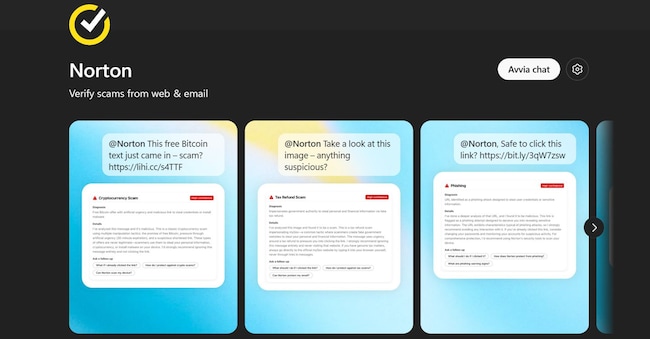
The rationale is one of immediacy: instead of convincing users to open a new security app, Norton brings protection to the most used AI environment. After activating the Norton app in ChatGPT's app directory, users can mention @Norton in the chat and paste the suspicious message, an email, link or even an image, receiving an immediate risk analysis in response. The integration is available to ChatGPT users including Free plans, with a potential audience of millions globally.
"People are already asking ChatGPT whether they should click, pay or respond," said Leena Elias, Chief Product Officer at Gen Digital. "With Genie integrated into ChatGPT, we are extending Norton's scam analysis and advice directly into those conversations."
Unlike traditional link-checking tools - which check whether a URL is already known to be malicious - Genie analyses the overall context of the message: the language used, the psychological tactics employed (urgency, fear, authority), the characteristics of the originating domain. An approach that reflects the very nature of modern scams: increasingly sophisticated, contextualised, and difficult to unmask without critical reading.

