Brussels in trouble

China, investment by German companies at record high: 12 billion in 2023

Volkswagen and Basf, among others, reduce market presence in Germany, increasing jobs, research and development in the Asian giant

3' min read

3' min read

Foreign direct investment (FDI) by German companies in China reached a record high of almost EUR 12 billion last year, demonstrating a willingness to expand in the world's second largest economy, even though the European Union is tightening its control of these investments due to ongoing geopolitical tensions.

The share of investment in China in total German direct investment abroad rose to 10.3 per cent last year, the highest figure since 2014, according to a report by the German Economic Institute IW, based on Bundesbank data. The investments were financed by profits retained by German-controlled companies in mainland China and Hong Kong.

Loading...

In July, Berlin launched a China strategy calling on the country's largest companies to reduce their dependence on the Dragon and strengthen policies to counter outbound investment risks. The European Union also moved to tighten its supervision of Ide due to concerns about technology transfer with military applications, drawing criticism from Beijing.

The increase in investments is mainly driven by the biggies.

"Especially larger German companies still see China as a large and growing market with an immense customer base," said report author Jürgen Matthes. German companies often plan to base more of their business activities in China to hedge against risks arising from rising global trade tensions, he added.

A survey published last month by the German Chambers of Commerce in Greater China found that 73% of large companies operating in China plan to increase investment in the next two years, compared to 50% of smaller companies.

The European Commission has been working on an outbound investment screening policy that would mirror US efforts to control corporate investment in China. But pushback from member states led to the publication last month of more limited proposals than originally planned.

It is in the interest of the EU countries 'to create a European solution, instead of being forced to follow the US version,' Matthes said.

The IW analysis is based on balance of payments data and therefore does not distinguish between greenfield investments involving the construction of new facilities in China or the purchase of Chinese financial assets by German companies.

Outbound investments in parts of China have come under pressure from those who have targeted them on ethical and humanitarian grounds. The Volkswagen Group has always denied using forced labour in the factory that operates in a joint venture with the state-owned big company Saic. The chemical giant Basf has announced disinvestment from the region for the same reasons. Beijing has always denied abuses against the local population, the Uyghurs, a Muslim and Turkic-speaking minority that the government accuses as a source of acts of terrorism.

In a separate report published this week, the Rhodium Group stated that Bundesbank data indicate that German companies are increasingly reinvesting Made in China profits within the country to reduce costs.

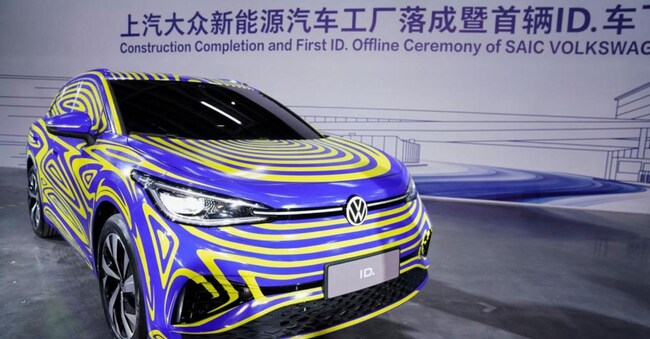
As part of this trend, companies such as Volkswagen and Basf are reducing their presence on the German market, while at the same time increasing jobs, research and development in China and, in some cases, the production of goods for export.

"The surge of investments in China and the recent wave of downsizing in Germany suggest that a gap is emerging between the financial interests of some German companies, on the one hand, and the interests of their German-based staff and the German economy in general, on the other," the Rhodium report added.

Copyright reserved ©
Loading...

Brand connect

Loading...

Newsletter

Notizie e approfondimenti sugli avvenimenti politici, economici e finanziari.

Iscriviti