
Operation “China Express”: international tax fraud scheme worth €1.5 billion dismantled
The Italian Finance Police have uncovered a complex fraud scheme in the wholesale and retail clothing sector. 192 people have been charged and over 200 companies are involved. Assets worth over 7 million euros have been seized.

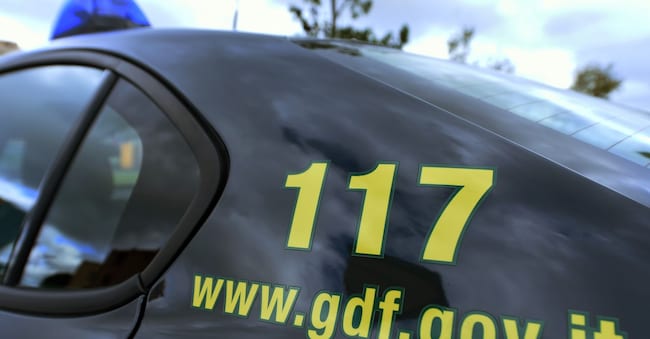
Key points
192 people charged, over 200 companies implicated and preventive seizures carried out against 22 business owners operating in 14 different Italian regions. This is the outcome of a raid by the Savona Financial Police, which dismantled a complex fraudulent scheme in the wholesale and retail clothing sector based on the issuance and use of false invoices. The large-scale operation was named ‘China Express’.
The start of the investigations
The investigations began with a tax audit of a beauty salon in Albenga, in the province of Savona, run by a person of Chinese origin. Checks carried out by the Guardia di Finanza revealed that, despite having no stock, staff or managerial or financial capacity, the business had issued invoices for the wholesale sale of clothing to 204 companies operating throughout Italia and abroad, totalling approximately 20 million euros.
At this stage, the businessman was reported to the local Public Prosecutor’s Office for issuing invoices for non-existent transactions and for destroying and concealing accounting records. But that is not all. Following a thorough process of gathering documentary evidence, analysing accounts, and carrying out personal, home and digital searches, as well as conducting interviews, the 192 recipients of the false invoices were reported for using invoices relating to non-existent transactions.
The fraudulent scheme
The investigation carried out by the Guardia di Finanza has led to the hypothesis that a specific and recurring pattern exists: numerous businesses operating in the wholesale and retail trade of clothing and costume jewellery are believed to have recorded in their accounts invoices for non-existent transactions issued not only by the first business owner implicated in the investigation, but also by numerous other parties.
The invoices found contained numerous irregularities. Those relating to the sale of goods were vague, listing items such as ‘Shoes’, ‘Jewellery’ and ‘Jeans’ but without specifying the quantity, price or model of the goods in question. Those relating to the provision of services, such as massages, contained irregularities both in terms of the amounts declared and because they were issued to companies operating in the wholesale or retail sectors.

