
China, US duties boost Q1 GDP (+5.4%)
Behind the better-than-expected figure is the surge in exports in view of the tariffs imposed by the Trump administration

2' min read
Key points
2' min read
From our correspondent
NEW DELHI - Thanks to a surge in exports ahead of US-imposed tariffs, China's economy grew 5.4 per cent in the first three months of the year compared to the same period in 2024.The figure is better than expected. Compared to the last three months of last year, the world's second-largest economy grew by 1.2 per cent, slightly less than forecast and slowing from the 1.6 per cent growth recorded in the quarter from October to December over the previous quarter.
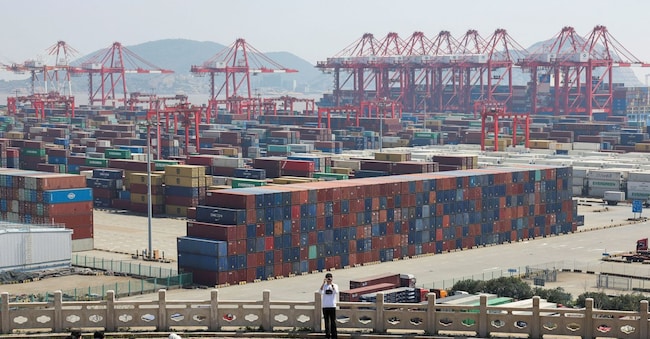
In the first quarter of 2025, Chinese exports rose 6% year-on-year, largely thanks to a surge of more than 12% in March, when the future impact of US tariffs became clearer. "Much of this growth was fuelled by a surge in forecasting activity ahead of US tariff escalation and a rush to stockpile by US importers," explains Stephen Innes of Spi Asset Management.
Declining growth estimates for the year
.Analysts agree that Beijing's economy will slow down significantly in the coming months due to tariffs of up to 145% on exports to the US. Ubs estimates that if tariffs remain at these levels, Chinese exports to the US could plummet by two-thirds in the coming months and China's overall exports could fall by 10 per cent.
Exports are historically central to the Chinese economy and have played a crucial role in achieving the annual growth rate of 5% in 2024. The official target for this year remains around 5 per cent, although after the outbreak of the trade war with the US, the research departments of Goldman Sachs and Citi lowered their forecasts by half a percentage point to around 4 per cent. The International Monetary Fund and the Asian Development Bank maintained more optimistic forecasts of around 4.6 per cent growth for this year.


