
China, in the name of safety, rethinks the hi-tech car and dictates new automotive rules
The regulations concern electric models and those for the domestic market, but require many brands to redesign quickly and with respect for economies of scale, cutting-edge designs and technologies. In short, the new protocol, in the end, has all the air of becoming global.

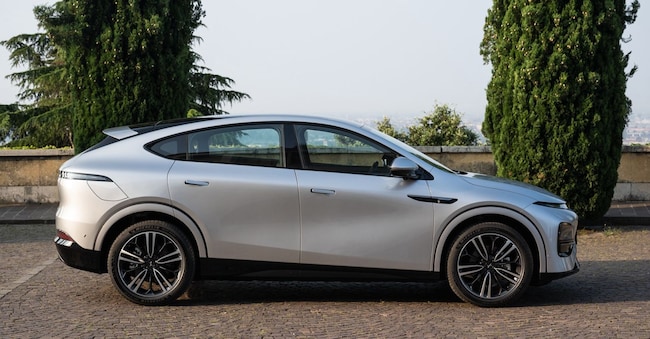
China, which brought the most extreme electronic and digital technologies to cars on the healthy assumption of safety, wants to scale them back heavily, but still retain control. The move, which, as seems certain will impact new models from the beginning of 2027, will force all brands that want to be in the world's biggest car market to submit. In short, Beijing, which has pushed the hi-tech race forward so quickly, is in fact dictating new guidelines to the automotive sector, particularly for electric models, but, in the end, the new specifications will have a domino effect on many models, Chinese and non-Chinese alike.
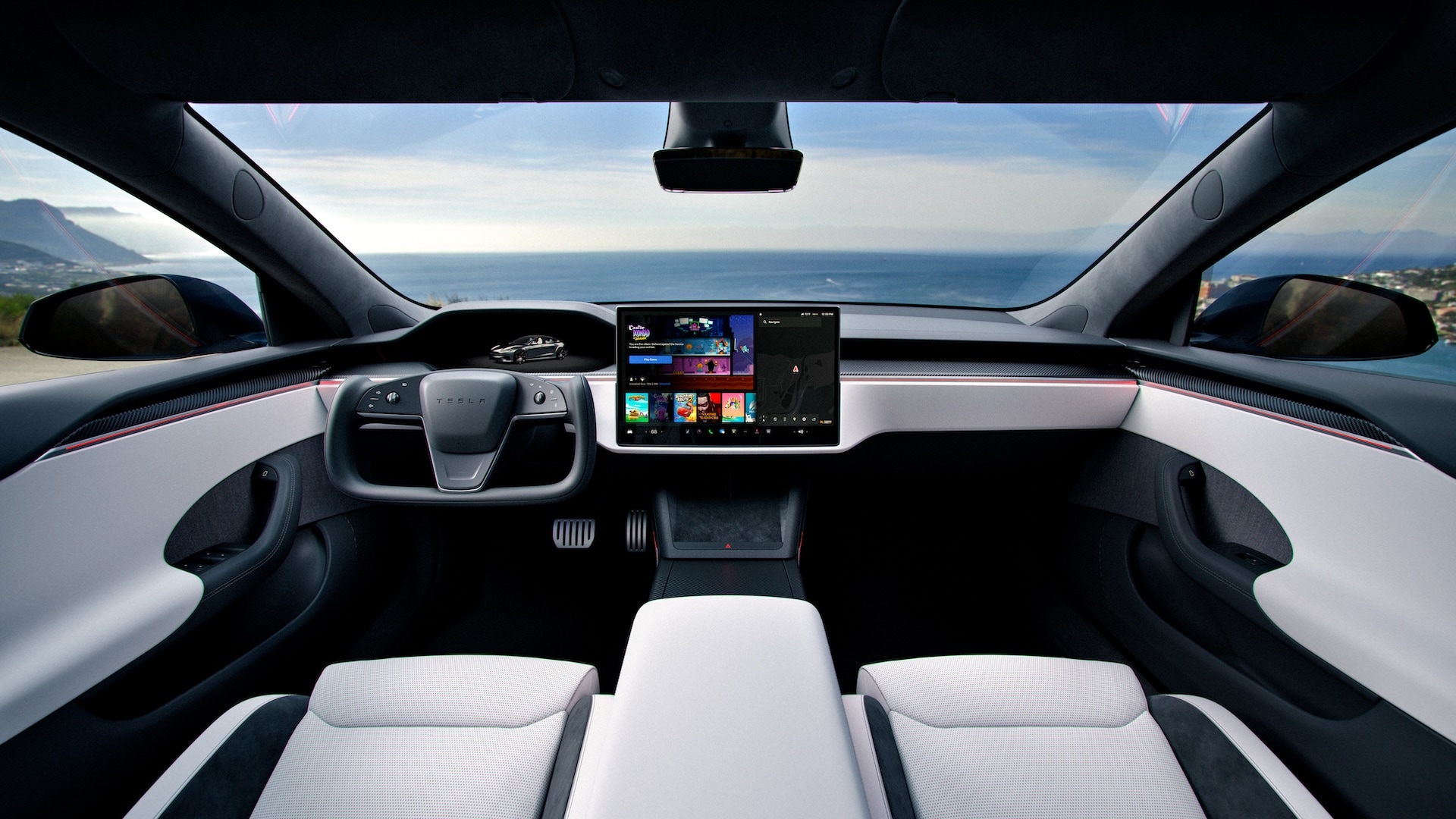
China, handles, switches and steering wheels are the focus of the diktat
The new Chinese vision envisages the elimination of retractable external and electrically operated internal handles because they are considered dangerous in emergency situations, the return of physical controls with a surface area of at least 10x10 mm for the main car functions to the cockpit furnishings, for example air conditioning rather than the heated rear window now often drowned against all rules of ergonomics in the infotainment displays, which, however, can also remain exaggerated in size, and the goodbye to the cloches that take the place of steering wheels because they have small airbags that can be positioned in a dangerous way for the driver and catch on clothes.
Again to increase safety, the picture could be completed both by stricter tests for level 3 and 4 assisted driving systems, i.e. with no hands on the steering wheel, and by limiting the acceleration time from a standstill of electric cars, stipulating that the sprint from 0 to 100 km/h cannot take less than 5 seconds. For example, the Zeekr 001 FR and Tesla S Plaid cross the finish line in just over 2", the electric Porsche Macan GTS takes 3"8 and Ferrari anticipates that the Luce will do this sprint in 2"5. However, if safety is the inspiring muse, one has to wonder if the rule will only affect the best performing electric cars because so many cars with thermal engines that are not even real hypercars arrive at the finish line in less than 5". In any case, this downsizing is the one that creates the fewest headaches because it can be satisfied with an uncomplicated recalibration of the electronics, similar to the one used to determine the self-limited speed of many models.
China, how new regulations impact automotive
The safety discourse does not only concern Chinese brands, although it was brought to the fore late last year by the death of the driver of an electric Xiaomi that caught fire, as he was unable to get out of the car even with the help of passers-by who were unable to unlock the retractable handles and, moreover, did not even think of breaking the windows to save him. In fact, the new regulation hits harder at non-Chinese passport brands already burdened by the problems created by electrification for which they have invested expertise, time and investment to offer competitive products, albeit at much higher costs than those of Chinese manufacturers. In fact, if the latter, as we have learnt, are very quick to put new solutions into production and absorb their costs without penalising final prices, the others will have to quickly solve a complex equation to overcome this unexpected situation.
China, opens a new front in the challenge with the rest of the world
Moreover, after having long chased the optimisation of economies of scale thanks, in particular, to the sharing of technologies between models of the same brand, it is unthinkable that the Chinese revolution should be tackled by Asian, European and American brands by modifying only the models they sell in China, because some also produce there the ones they export to the rest of the world. Diversification would screw up the logic of economies of scale.

