
China punishes 'Taiwanese' ESwatini but as of 1 May removes tariffs from all of Africa
2025 figures show that the system adopted by China rewards bilateral and regional cooperation

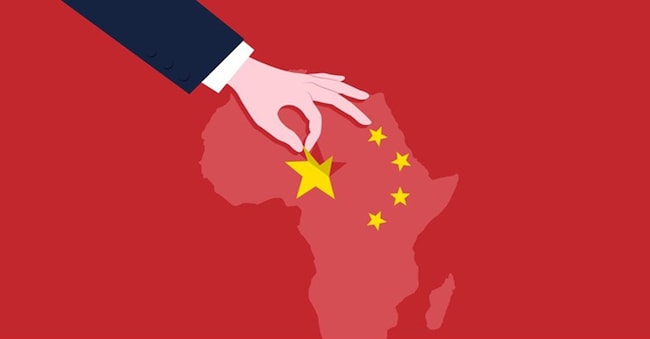
Carrot and stick. The case of ESwatini (the former Swaziland), the only African country that recognises Taiwan, has not died down. It was the protagonist of a controversial last-minute cancellation of Taipei President Lai Ching-te's visit due to the obstacles posed by other countries (including Seychelles, Mauritius and Madagascar) that China is opening up to the exemption of tariffs to 52 other African countries from May.
The novelty
China will fully exempt Egyptian exports from tariffs as of 1 May 2026, as part of Beijing's strengthening of trade ties with Africa, according to Chinese state media reports.
But it is not a ad personam policy. Egyptian exports to China will enter the Chinese market without tariffs, just like goods arriving from 52 other African countries. This tariff policy was announced on 12 June 2025, at the China-Africa Economic Forum, which opened up greater access to the Chinese market. China is known to be Africa's largest trading partner over the past 15 years, with trade volumes of $292 billion in 2024, primarily with Kenya, Ghana, Nigeria and Morocco.
Strategy that works
The 2025 figures show that the system adopted by China rewards bilateral and regional cooperation.
Although China offers significant trade and investment opportunities, it has also been criticised for its lending practices and potential reliance on debt from certain African nations, but is now shifting its focus from debt-only projects to mutually beneficial investments.


