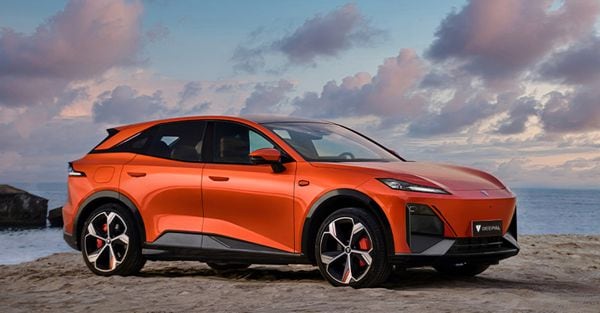
China relaunches on solid-state batteries
Mass production could start as early as next year. The new batteries will offer higher energy density. Xpeng, Changan the later Byd, Saic, Chery, are working on similar packages. European premium brands Audi, Bmw and Mercedes are also joining them.

Key points
Solid-state batteries are, indeed, just around the corner. According to the Chinese media, they will offer an energy density of 400 Wh/kg and the vehicles using them will be able to guarantee an autonomy of 1,500 km if not more. A solution that would finally make 100% electric cars usable even on long journeys and able to make up for the lack of infrastructure.
Chinese brands ready for launch in 2027
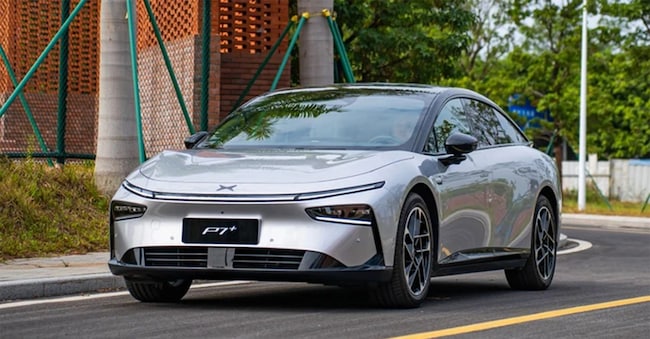
If Xpeng, Changan are the Chinese brands closest to the launch of solid-state batteries, the other tier manufacturers in China from Byd, to Saic as well as Chery, are in fact developing similar packages that, thanks to the more extensive use of artificial intelligence, are able to improve remote diagnostics, a further acceleration of market arrival.
More compact, safer and faster
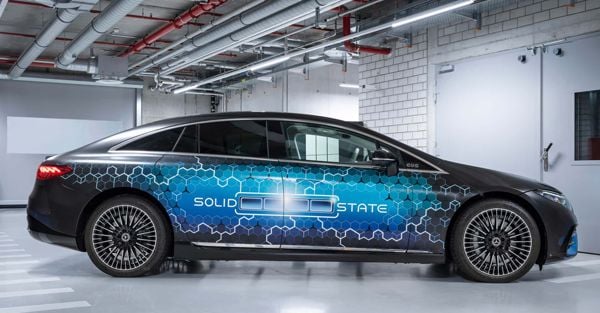
It is no coincidence that the big automotive giants, especially, but not only, from China, are investing considerable resources to move the new batteries from an experimental phase to series production. It should be emphasised that the difference in the accumulators that are fitted in electric cars today lies, above all, in the electrolyte, which improves both autonomy and recharging.
More energy for the same weight and volume
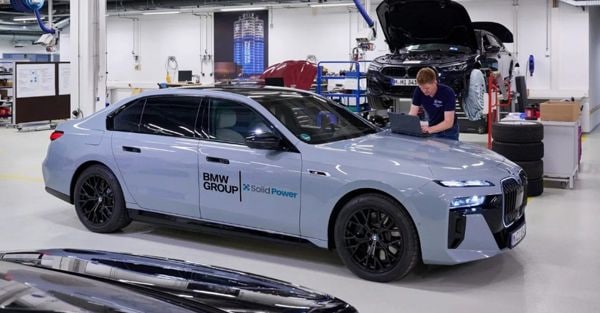
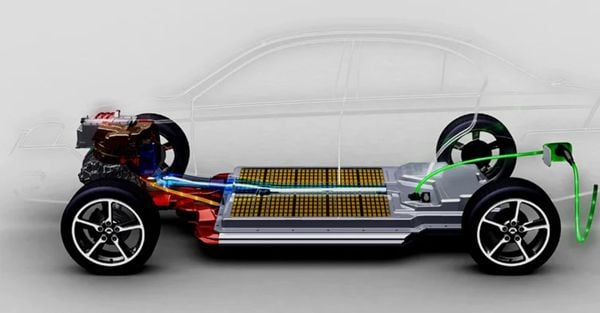
In the solid-state battery compared to today's lithium-ion batteries, the electrolyte is in the solid state, which can be ceramic, polymer or composite material combining several solutions. This can completely change the behaviour of the battery. This translates into the availability of storage with more energy, with the same weight and also the same volume.
Much more Chinese brands than Europeans
Interested in the solid-state battery breakthrough are Chinese manufacturers who have hoarded raw materials, compared to European brands also committed to the energy transition, such as premium brands Audi, Bmw and Mercedes, but also Volkswagen. The Japanese Honda, Nissan and Toyota and the Koreans Hyundai and Kia. In short, after years in the laboratory, the new batteries are on their way.