China: the focus is on car development timescales
Regulatory authorities in the world’s largest car market fear that shorter design cycles could compromise the safety and durability of vehicles.

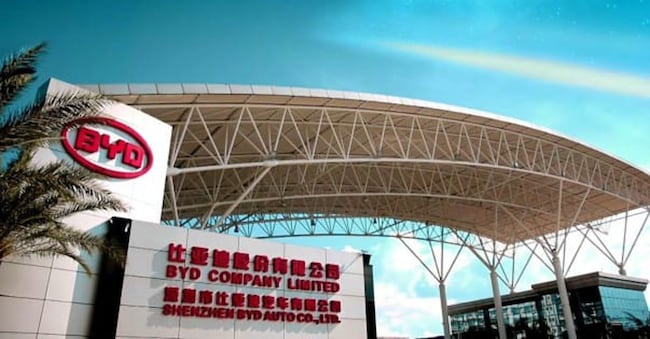
The development timeline for cars in China is under scrutiny from the regulatory authorities, who are questioning whether shorter development cycles will come at the expense of safety checks or the car’s lifespan. The result is that, having already tightened regulations on batteries, driver assistance systems and door handles, attention is now turning to the consequences of car manufacturers’ engineers pushing for ever-shorter development times. The development cycle in China is currently two years, compared with three to five years in the West, where car manufacturers regard this pace as unattainable. Keeping up with the Chinese is impossible.
Double the number of tests
As a precautionary measure, the Chinese authorities have launched a year-long safety campaign, involving unannounced inspections, as well as proposing to double the mandatory road tests for alternative-energy vehicles, extending them to 30,000 km. The Chinese IAT Automobile Technology and the Manufacturers’ Association, however, believe that artificial intelligence can reduce the timeframe to less than 18 months. This is a target that would be impossible for Western companies to achieve, even though they have begun to draw on Chinese expertise. Renault developed the Twingo E-Tech in China in 21 months, whilst the VW ID.UNYX 08, developed in partnership with Xpeng, took just 24.

Slowing down isn’t easy
The concern amongst the Chinese authorities is that durability testing cannot be rushed. Some industry executives have agreed that there are timelines that must not be altered, acknowledging that vehicles must adapt not only to different climates, but also to roads and driving habits around the world. Consequently, the development process cannot be shortened by more than a little. Slowing down, however, will not be easy. Chinese consumers, in fact, expect a steady stream of new launches and increasingly frequent updates, in a context where profit margins have nevertheless been reduced to a minimum.