
China: the 2026 trade surplus has already exceeded one trillion
This milestone, which is set to exacerbate tensions with Europe and the United States, has been achieved only in part thanks to investment in artificial intelligence
from our correspondent Marco Masciaga
 Aggiungi Il Sole 24 Ore
ai preferiti su Google
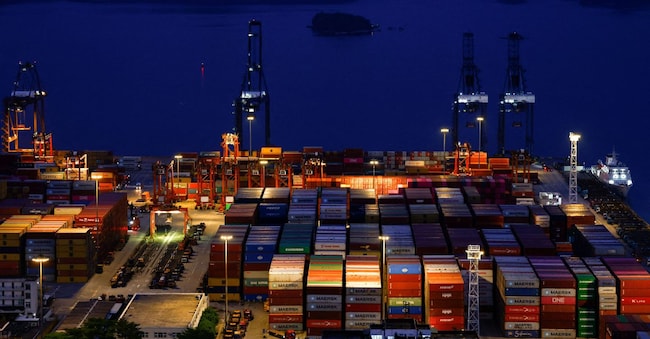
NEW DELHI – Despite the largest increase in imports since 2021, in the first 10 months of the year, China’s trade surplus exceeded one trillion dollars, a figure which – highlighting how Asia’s largest economy remains heavily dependent on its exports – is set to exacerbate tensions with Beijing’s main trading partners.
According to figures released on Tuesday by the General Administration of Customs of China, exports in October rose by 35.2 per cent compared with the same month last year. This growth was only slightly lower than the 36.3 per cent surge recorded in September, but higher than the forecasts of economists, who had estimated an increase of 33.5 per cent.
This result helped to push China’s trade surplus to 1,040 billion dollars in the first ten months of the year, exceeding the 1,000 billion mark for the second consecutive year and a month earlier than in 2025. From January to October, China’s trade surplus was almost 9 per cent higher than in the same period of the previous year. In 2025, the difference between the value of China’s exports and imports reached a record high of $1,200 billion.
In October, imports also rose more than expected, recording growth of almost 42 per cent. The latest figures suggest that China is heading for another record trade surplus, despite escalating tensions with the European Union and protectionist measures adopted by other major markets, such as the United States.
Exports have also grown thanks to the surge in global demand for artificial intelligence hardware, which has boosted trade within Asia. Although Chinese imports have also risen, they remain below export levels, with increases concentrated in a few specific sectors, such as gold, highlighting a still limited recovery in domestic demand.


