
Chinese brands are focusing on car hire and fleet services
The enormous pressure coming from the factories is driving importers to take aggressive commercial action
by Pier Luigi del Viscovo
 Aggiungi Il Sole 24 Ore
ai preferiti su Google
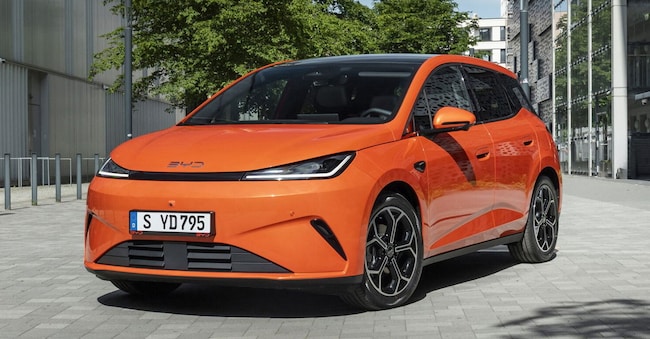
The new brands may well be made in China, but the managers are Italian and are well aware of the importance of car hire and fleet operations. The former is to allow potential customers to test-drive the cars, so that they can appreciate their features. The latter is to generate volume and offload onto the market some of the overproduction that cannot find a place in the domestic market.
Yes, because the general feeling for some time now has been that the Chinese car industry has reached its peak in terms of the number of manufacturers and is now in a phase of consolidation, where, out of over a hundred manufacturers, far fewer will remain.
There will come a day when, perhaps, the Dragon will be home to three or four major automotive groups, as has been the case in America, Japan and Europe, but that day is still a long way off and, in the meantime, there is a surplus of production capacity that will flood foreign markets with cars. Speaking to a number of dealers, it is clear that the enormous pressure coming from the factories is pushing importers to resort to excessive sales tactics. As long as it is a matter of showcasing a product that is appealing in terms of features and price, everything is fine, but when more is asked of them, the smiles fade.
Let’s be clear, the market is used to ‘push’ tactics: end-of-month sales pushes and ‘zero-kilometre’ cars weren’t invented by the Chinese. It’s a common sight for half of all registrations to take place on the last day of the month. However, however… it’s one thing to accept – or put up with – the pressure from a manufacturer you’ve been tied to for decades and who has already helped you out when you were in trouble; it’s quite another to open up your showrooms and bank credit lines to the newcomer’s cars. So, that leaves only the fleet operators, who are perpetually on the lookout for competitive prices.
Of course, the channel comes at a cost because leasing companies are no fools, and the first thing they do is estimate how much that car will be worth in four or five years’ time – assuming the model is still in production and that, in the meantime, an effective service network and supply chain for spare parts has been established. So, before offering a car to their customers, they demand financial terms that provide absolute security, which are promptly met. Indeed, there is talk of supply arrangements backed by buy-back clauses and of Chinese importers who are reportedly gearing up for re-marketing once the cars are returned from NLT.

