
Cars, record exports from China in April: +38% year-on-year
417,000 vehicles delivered in the month

2' min read
2' min read
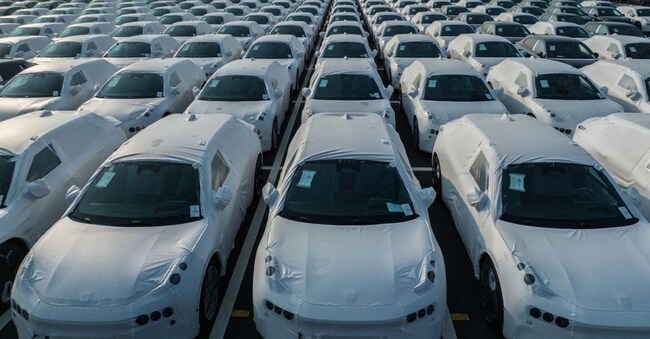
Chinese car exports rose to a record level in April. The numbers indicate a 38 per cent year-on-year increase to 417,000 units, continuing a strong momentum from the previous month when overseas shipments were already up 39 per cent. According to data released by the China Passenger Car Association, the increase in exports is also partly due to the decline in domestic sales, which fell 5.8% in April year-on-year to 1.55 million units (and 9.6% since March) amid intensifying price competition and consumer caution in the current shaky economic recovery.
"The EU's ongoing anti-subsidy investigation of Chinese manufacturers has disrupted and pressurised vehicle exports to Europe, but China has been actively exploring South American, Australian and ASEAN markets for exports," explained Cui Dongshu, secretary general of the association. "The sluggishness of the market was worse than expected, while some carmakers made efforts to continue production, leading to increased stocks at dealerships," Cui concluded.
While the share of sales of new energy vehicles (NEVs) reached a new high in April, paving the way for the world's largest car market to accelerate its green target, sales of electric vehicles are still much slower than those of plug-in hybrids. NEVs accounted for 44% of total car sales, a new record for the month after doubling the number of vehicles delivered in the first half of April. China has set a target of 45% of NEVs on the road by 2027. BEV sales rose 12% in April from 11% in March, while PHEV sales grew 64% from 75% in March.
Sales of electric vehicles had contracted by 6.3% in March, while sales of PHEVs were down 4.7%. The latter segment, which has grown the fastest since 2022, drives the success of domestic manufacturer Byd, which accounted for 57% of car sales in April. China's share of the global PHEV market rose to almost 70% in the former. Japanese automakers, which have pioneered hybrid technologies, lagged behind, taking only 1.9 per cent of the global PHEV market in the first quarter of 2024.

