Food pairing and synesthesia revolutionise panettone and pandoro
In the most classic festive recipe, the secret, apart from the baking temperature, is the texture, which shapes an unmistakable tactile experience. As scientists explain, even before chefs and pastry chefs

4' min read
Key points
4' min read
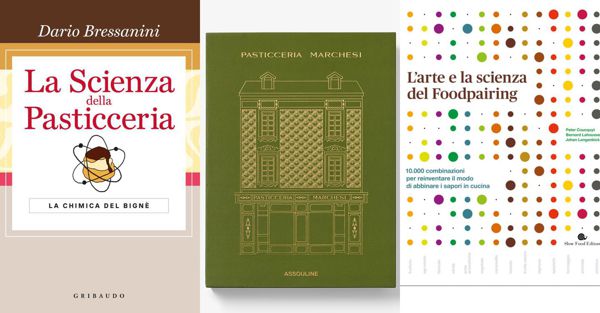
The sum of the parts is more than the total. Tastier, more fragrant, softer, more delicious. Panettone is the dessert of Christmas, and in the amalgam of the recipe, which changes from region to region, there is a particular mixture of factors. Dario Bressanini, professor of chemistry and researcher by profession, author of the best seller The Science of Pastry speaks of "a combination of slow leavening, quality ingredients and craftsmanship".
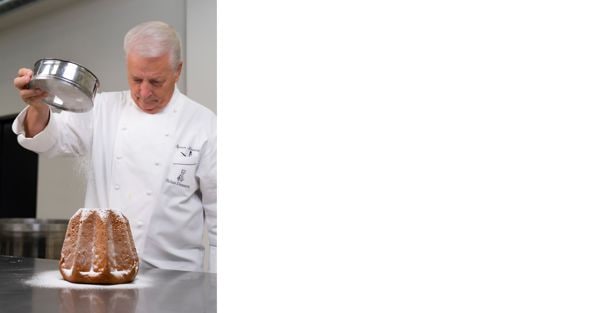
Iginio Massari highlights its 'symbolic value that goes beyond its taste: a cake that brings with it the warmth of festive moments. Not just a product, but an emotion to be shared'.
This is why the process takes time, 65 hours with four rising times and two doughs, to achieve that soft consistency and perfect alveolation that is enriched with candied orange, sultanas and aromatic scents.
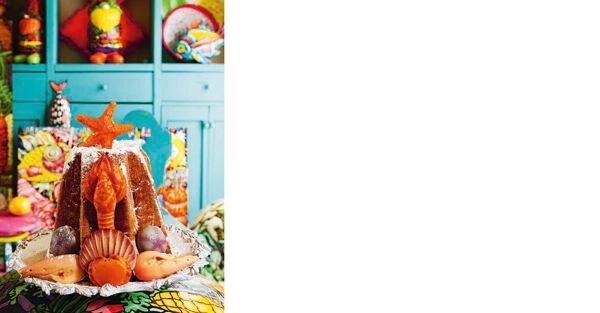
For Pasticceria Marchesi, a two-hundred-year-old institution in Milan that has kept the secret of a flavour-madeleine for generations, panettone means home, a kneaded memory of the history of a city in constant movement, a passport to Italianness in the world. For visionary chef Heinz Beck, panettone can marry Amazonia, break the rules and celebrate a Christmas of shells and scampi.
Eating such a distinctive yet continuously reinvented cake is also a tactile experience, as well as one of taste and smell. The change in texture, the hardness of the outer icing and the spongy lightness of the interior, the sweet fluid of the fillings and the crunch of the aromatic cubes require calibrated, almost scientific craftsmanship.