
Cigarettes: here’s how much manufacturers will have to pay to dispose of cigarette ends
A draft regulation has been published setting out the obligations and contributions to be borne by tobacco manufacturers for the collection and disposal of plastic filters

Key points
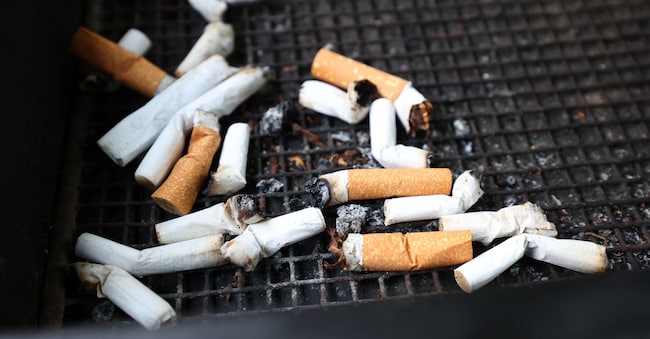
Rome and Brussels have declared war on cigarette ends. A draft regulation was published in recent days on the Ministry of the Environment’s website, marking a further step forward in the implementation in Italia of Directive 2019/904 on single-use plastics (SUP), namely the Single-Use Plastics Directive, which includes, amongst the products subject to the principle of extended producer responsibility, tobacco products containing plastic filters. The entire framework aims to assign specific responsibilities throughout the product’s life cycle, with a particular focus on preventing the dispersal of waste into the environment.
The publication of the draft therefore marks the start of a consultation phase eagerly awaited by the sector; this will conclude on 31 October and will enable interested parties to submit comments on the proposed model before the final text is published.
In recent years, in fact, numerous voluntary awareness-raising and prevention initiatives aimed at the public to tackle the littering of cigarette ends have already been launched, such as those organised by the Erion Care Consortium. The new regulatory framework is now required to set out, in a structured manner, the responsibilities, obligations, funding arrangements and relationships between the various stakeholders in the supply chain.
The framework
In Italia, the Directive was transposed by Legislative Decree No. 196 of 8 November 2021, which introduced a specific Extended Producer Responsibility (EPR) scheme for the tobacco supply chain.
Waste management and cost recovery
The draft regulation recently published on the Mase website sets out how this scheme will operate, specifying the obligations of the parties involved and, in particular, the procedures by which manufacturers are required to assume responsibility, including financial responsibility, for the proper management of waste generated by their products, as well as prevention measures to raise awareness amongst smokers not to discard tobacco products after use.


