
Disagreement amongst the 27 over energy; new measures called for from the Commission
European leaders are discussing urgent measures to curb rising energy prices, with deep divisions over the role of the CO₂ emissions trading scheme
from our correspondent Beda Romano
 Aggiungi Il Sole 24 Ore
ai preferiti su Google
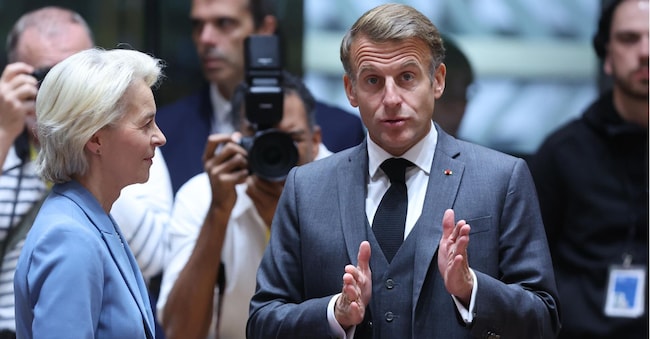
BRUSSELS – Meeting for the first European summit since the summer break, European Union leaders held a heated discussion on the energy crisis of recent weeks. Aside from calling on the European Commission “to propose (…) further measures” to tackle the sharp rise in energy prices, deep divisions emerged amongst the 27 Member States regarding the EU Emissions Trading Scheme (ETS). Italy was at the forefront in highlighting the social risks posed by the scheme.
In essence, in addition to the European Commission’s already stated intentions – to extend any state aid for the companies hardest hit by the energy crisis, to build new refineries, and to pool European demand when purchasing raw materials – the 27 Member States were to ask the Commission, according to a draft set of conclusions, to ‘examine and propose, where necessary, further measures to tackle the sharp rise in energy prices in the short term’.
It is not yet clear what the new measures might be. Attention is turning to recent French proposals to relax fuel quality requirements and to make greater use of biofuels in the petrol blend. It should also be noted that Italia is currently negotiating the so-called ‘utility bills decree’ with the European Commission. In this case, the aim is to reduce the price-setting fuel, namely gas, so that the effects are also felt on electricity bills.
The truth is that the energy crisis triggered by the war against Iran launched by the United States and Israel is affecting countries in different ways. Those still dependent on gas and oil are suffering more than those that have invested heavily in renewable energy sources. More generally, Europe’s oil and gas bill has risen by 100 billion euros since the conflict broke out. According to information gathered on the sidelines of the summit, discussions amongst the leaders were particularly heated.
The debate on ETS
To put it simply, the debate has pitted certain countries against one another, primarily Italy and the Visegrád countries, which are effectively calling for the role of the ETS in decarbonising the economy to be scaled back because it is too costly, and others such as Denmark, Sweden and Finland, which, on the other hand, regard the ETS as an effective tool for promoting independence from fossil fuels. The position of these countries is also influenced by the substantial investments they have already made.


