
Clerici Foundation: a 900,000-euro restoration project for Sant’Agostino in Pietrasanta
The monumental complex has been returned to the city. The official opening takes place today after six years of work

Key points
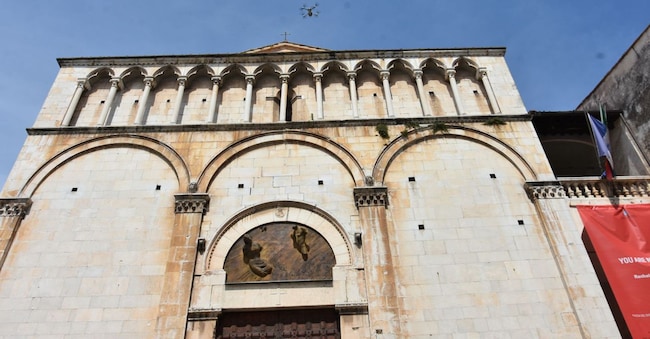
Over 900,000 euros have been invested over six years of restoration work to restore one of Pietrasanta’s (Lucca) most iconic monuments: the Sant’Agostino complex, which has been revitalised through a contemporary cultural patronage initiative led by the Paolo and Giuliana Clerici Foundation. Today, the foundation – founded and chaired by the logistics entrepreneur and chairman of the Coeclerici Group – will officially hand over the refurbished complex to the town, marking the conclusion of a restoration project launched in 2020 and fully funded by the foundation.
St Augustine’s, as Paolo Clerici points out, ‘thanks to our investment, has been restored to its original splendour after six years, giving the community not only a restored monument but also new insights into its history. The research carried out during the restoration work has, in fact, brought to light previously unknown details about the construction of the façade and the extraordinary variety of marbles used, transforming the restoration into an opportunity for scientific and cultural exploration’.
Protecting the nation’s heritage
The project reached its first milestone in May 2023, with the reopening of the historic Sala dell’Annunziata, which has been returned to the community as a cultural space and exhibition venue. The project was completed by the recent restoration of the marble façade of the Church of Sant’Agostino, which was officially inaugurated today.
“Over the years,” continues Clerici, “my wife Giuliana and I have developed a deep bond with Pietrasanta, an extraordinary town where art, history, craftsmanship and culture coexist in a unique way. Contributing to the restoration of Sant’Agostino means giving back a symbolic place to the community and, at the same time, helping to safeguard a heritage that belongs to the whole country.”
Mitoraj’s bronze lunette has also been restored
One of the most significant aspects of the project is the restoration and return of the bronze lunette created by Igor Mitoraj. The return of the work takes on symbolic significance, given that, just this month, Pietrasanta also opened the new Mitoraj Museum, which is set to house a significant part of the artist’s legacy.


