
Climate and invasive species: the perfect storm for fisheries
The figures show a decline in the number of businesses: there are 700 fewer – in the sea clam sector alone, 100 vessels have been out of action since October 2024, generating no income

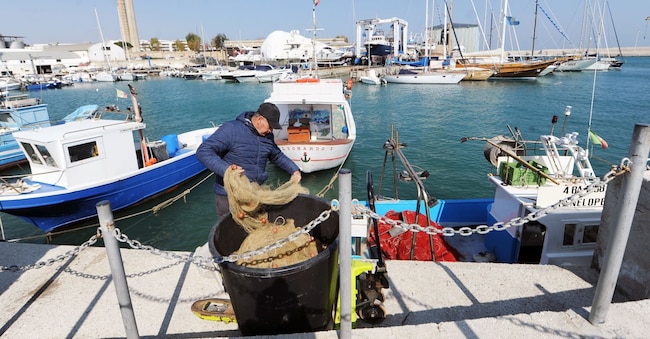
The perfect storm – comprising high diesel prices, the climate emergency and the growing presence of alien species – is hitting the north-eastern fishing industry. The impact is such that Italy’s entire trade balance for the sector has taken a negative turn, with an increase in imports from abroad. This issue has come to the attention of the European Parliament, which – from 21 to 23 September – sent a delegation to visit the fishing communities of Chioggia, the Scardovari lagoon, Goro, Cesenatico and Ancona, to understand the needs of fishermen and producers.
The mission
At the heart of the mission are data from a historic moment in which the effects of soaring fuel prices – despite some mitigating measures – are compounded by the growing number of shellfish die-offs caused by rising temperatures in the delicate ecosystems of the Upper Adriatic, a naturally shallow and semi-enclosed basin, characterised by low salinity and a heavy inflow of fresh water from rivers such as the Po, which make it one of the most productive – but also most prone to eutrophication – areas in the Mediterranean.
Stakeholder organisations, including representatives of fishermen from Chioggia, the Po Delta, Cesenatico and Ancona, voiced their concerns, whilst MEPs also assessed the damage caused by the blue crab invasion and noted the resilience of a sector seeking to establish a supply chain for this invasive species to bring it to market. During the mission, stakeholder representation was ensured, including, amongst others, Copa-Cogeca, Confcooperative Fedagripesca, Legacoop Agroalimentare-Pesca, Coldiretti Pesca, Federpesca, clam producers, aquaculture operators and other fishermen’s unions. The French head of delegation, Isabelle Le Callennec (EPP), said: ‘On our return to Brussels, we will once again urge the Commission and the Council to review the Common Fisheries Policy, particularly with regard to problematic issues such as landing obligations, the concept of fishing capacity, burdensome controls, bureaucracy, quotas, unfair competition and illegal fishing by third countries. We will strive to secure resources from the European Maritime, Fisheries and Aquaculture Fund (EMFAF) are secured, both in the current EU budget and in the long-term EU budget, so as to enable the sector and the regions to adapt to the various challenges they face, including fuel prices, invasive species, climate change, and the modernisation and renewal of the fleet. Only by meeting these conditions can we ensure that those working in the sector can earn a living from their work and guarantee the next generation of fishermen.’
The sector
Two distinct production and environmental systems can be identified: sea fishing and lagoon fishing (in Venice, Rosolina, Scardovari and Caorle). At sea, fishing is carried out using trawls, fixed nets and hydraulic dredges; in the lagoons, shellfish farming is practised and fishing is carried out using fixed nets. The main fishing centres – where there is a fishing port, a fish market and professional fishing operators – are led by Venice, whose market has a turnover of 70 million, followed by Chioggia (40) and Porto Tolle (18). ‘Overall, we have 3,700 fishing businesses, with an average of 1.5 employees,’ explains Antonio Gottardo, head of the agri-food and fisheries sector at Legacoop Veneto. Then there are the ancillary sectors – including processing, marketing, ice producers and porters – which quadruple the workforce. The blue crab infestation in the delta’s lagoons alone has reduced the number of businesses from 1,500 to 700.” And then, from October 2024, the mass die-off of clams began: ‘You can defend against the blue crab by using protective nets around a clam farm or by processing some of the catch. But there is no remedy for a water column that is too warm for too long. As in agriculture, we are facing a situation where we simply can no longer carry on as we did before. This is not a temporary phase; it is a structural change.”
The Veneto Agricoltura Observatory reports a veritable collapse in the fishing industry over the past year, with the loss of around 700 production units: whilst the first half of 2025 saw a slight recovery in the number of fishing businesses (1,199 units, +1.7 per cent), there has been a sharp decline in the number of aquaculture businesses (1,267 units, -29.5 per cent). As for sea clams, around 100 vessels have been out of action since October 2024, generating no income.

