
Climate change is putting bees at risk: 37 per cent of species in Europe are in decline
Heat, drought and early flowering can disrupt the synchronisation between plants and pollinators. In Bologna, four days of meetings between researchers and scientists from nearly 50 countries

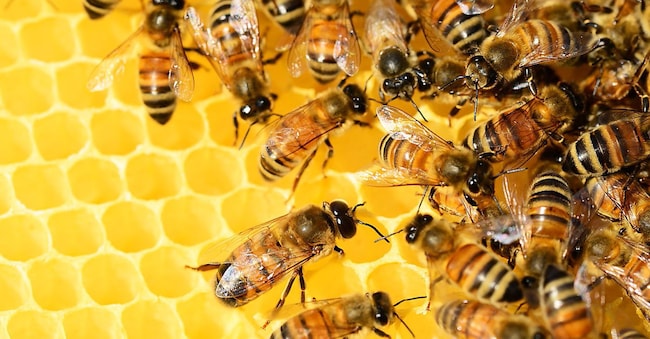
Climate change is altering the living conditions of bees and may jeopardise their ability to adapt to a changing environment. Rising temperatures, drought and changes to seasonal patterns can affect the availability of floral resources and create a mismatch between plant flowering and the biological cycles of pollinators.
It is one of the main areas of international research that will be discussed in Italia at EurBee 11 – European Conference of Apidology, scheduled to take place from 7 to 10 September at the Bologna Congress Centre. The 11th edition is the best-attended in the conference’s history and the first to be held in Italia, with researchers from nearly 50 countries and around 500 scientific contributions, comprising 196 oral presentations and 301 posters.
EurBee 11 is organised jointly by Crea (the Centre for Agricultural and Environmental Research) and the University of Bologna’s Department of Agri-Food Sciences and Technologies, two Italian institutions with extensive experience in bee research.
Climate change is placing a new and growing strain on bee populations. Among the aspects studied by the research are the mismatch between flowering and pollinator activity, changes in the availability of floral resources, the effects on wild and honeybee populations, and the ability of different species to adapt to new climatic conditions.
The problem isn’t that climate change will make it too hot for the bees. It’s more complicated than that. The risk is that bees and flowers will stop meeting at the right time.

