
Climate crisis and high cocoa prices, start-ups seek alternatives to chocolate
Heat waves and heavy rain cause prices to soar. Solutions such as cell cultures and cocoa-free chocolate are sought

3' min read
3' min read
Increasing climate volatility is reflected in increased volatility of food commodity prices. From rice in Japan to extra virgin olive oil in Italy, the swings have reached our tables and are set to continue, according to a study by Inverto, the Boston Consulting Group subsidiary specialising in supply chain management. But the most dramatic ride is that of cocoa, which has quadrupled in price since 2022, sending chocolate prices skyrocketing.
How does the climate affect you?
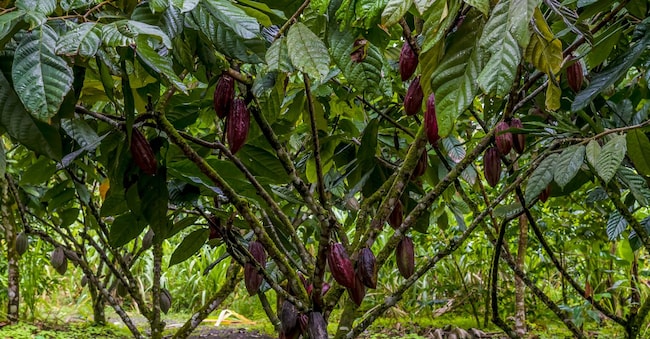
.The scorching heat waves and heavy rains that have plagued West African countries, where 70 per cent of global cocoa is produced, have made cocoa trees less productive and encouraged the spread of diseases, bankrupting many small farmers. The 'cocoa swollen shoot' virus and black pod disease, a fungal infection that rots cocoa pods, have both hit the plantations hard. A disaster that is bound to get worse in the coming years: a report by Climate Central calculated that the last decade has seen three more weeks of heat above 32°C during the main season, between October and March, when the plants are expected to stay below this threshold. The prediction is that most of these areas are destined to become unsuitable for cocoa cultivation by 2050.
For chocolate lovers, the threat of losing this delicacy forever is getting serious. It is a matter of running for cover with the help of food tech: the chocolate giants, from Nestlé to Mars, are already taking action. Some are using in vitro cultures of plant cells to produce synthetic cocoa, while others are exploiting collateral agricultural flows and more climate-resistant crops to produce new chocolate variants.
The latest discovery comes from scientists at University College Cork, the University of São Paulo and the New York Botanical Garden, who discovered three new plant species closely related to Theobroma cacao, the cacao tree native to South America and source of an industry that supports the incomes of more than 50 million people. The team of researchers came across the three new species - Theobroma globosum, T. nervosum and T. schultesii - while preparing a taxonomic report on the genus Theobroma, conducted in the western part of the Amazon rainforest. Unlike Theobroma cacao, the other three species grow from a single stem and although the internal structure of the leaves and fruit is similar in both plants, the shell is much more corrugated. The discovery, according to the researchers, could lead to the development of more climate-resistant cacao trees, bringing new life back into the now infested plantations.
Cell cultures
.The Israeli start-up Kokomodo, on the other hand, aims to solve the problem by skipping the cultivation phase: it selects cells from the most valuable cocoa varieties from Central and South America and cultivates them in a cell culture. From there, the cells are transferred to bioreactors, from where the cocoa is harvested and processed. "Cultivating cocoa is like growing meat, but simpler," explains founder Tal Govrin. She adds: 'With the climate emergency threatening cocoa, a non-agricultural production method could ensure its survival for future generations'. Its first product is a 'high-value cocoa powder', soon to be followed by cocoa butter.

