
Climate crisis: 20 billion in damage to agriculture over four years
Coldiretti’s estimates on the impact of droughts, flash floods, late frosts and extreme weather events

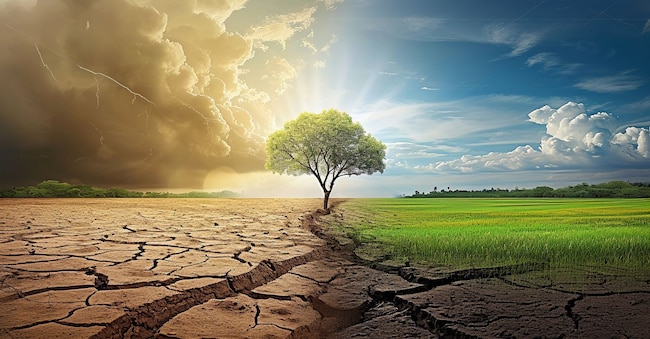
It’s not just heat and drought: flash floods, late frosts, increasingly concentrated extreme weather events and disrupted growing calendars. The climate crisis is taking an ever-heavier toll on Italian agriculture, which is among the sectors most exposed to climate change – a change that is not only pushing the cultivation belt further and further north (tropical fruit has arrived in Sicily and Calabria, whilst traditional crops such as vines and olive trees are migrating ever higher up the country) but also threaten to compromise a substantial proportion of ‘Made in Italy’ produce every year. Coldiretti estimates that, over the last four years, the effects of climate change have caused damage to Italian agriculture amounting to over 20 billion, due to droughts and floods. In 2026, according to the CIA-Italian Farmers’ Association, extreme weather events have already cost 1.5 billion, a figure that is inevitably set to rise further.
The latest spell of unseasonal heat is taking its toll not only on people but also on farm animals. “These extreme temperatures have already caused a drop in milk production of up to 20 per cent,” Coldiretti points out. Emergency measures have been put in place in barns, such as forced ventilation, cooling sprays and increased water supplies, in an attempt to limit the effects of the unseasonal heatwave, resulting in a 30 per cent rise in energy costs.”
The most critical situation is in the north and in the Po basin, an area that accounts for almost a third of the country’s agri-food production and around half of its livestock farms. Water levels in rivers and reservoirs have fallen well below warning levels, putting crops such as rice, maize and tomatoes at risk and causing pastures to dry out. The loss of fodder is also jeopardising the stability of livestock housing and the regularity of milk supplies.
Olive trees are also suffering; this historically resilient Mediterranean crop, capable of adapting to difficult environmental conditions, is seeing its production balance disrupted by the increasing frequency and intensity of extreme weather events. Prolonged periods of drought, heatwaves, late frosts, heavy rainfall concentrated over a few days and new plant health pressures risk compromising the ripening of the olives and the final yield.
The climate emergency is also putting pressure on the costs of farming. Irrigation systems and pumps run largely on diesel, the price of which has risen from around €0.85 per litre at the start of the year to the current €1.21; the increase in the cost of electricity needed for storing produce and ventilation is also having a significant impact on farm budgets. These rising costs come on top of market tensions caused by the geopolitical situation, with fertiliser shortages reshaping cropping patterns and threatening to trigger a food crisis in many countries, as highlighted in the latest FAO report.

