
Climate shelters to combat the high temperatures caused by climate change

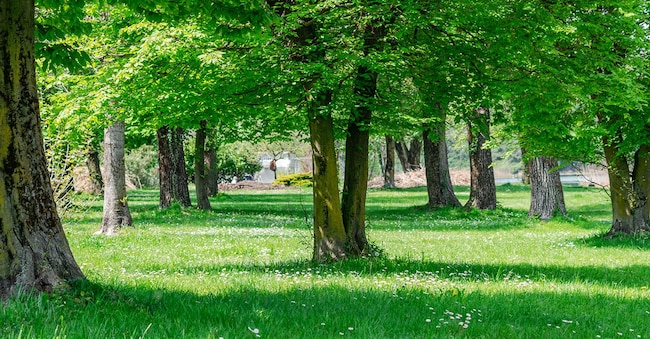
Almost like an oasis in the desert. These are the open-air cooling spots that can be found in densely populated cities. And where high temperatures – caused not only by the climate but also by cars and air-conditioning units – put human endurance to the test. In these places where you can find respite from the heat, temperatures can be as much as 11 degrees lower.
Map and census
Outdoor public spaces to tackle extreme heat in cities and reduce energy waste. Rome, Milan, Turin, Florence, Bologna and Pavia are mapping and cataloguing these outdoor climate refuges. These are places – either indoors or outdoors but surrounded by greenery – where people can find relief from the heat. Researchers at ENEA have carried out a study on this topic, funded by the Ministry of the Environment and Energy Security.
The community for sharing experiences
These activities have given rise to a community for the exchange of experiences and knowledge, in which around twenty third-sector organisations, research institutes and universities have already expressed an interest in joining, including the Bessa Department (wellbeing, health and environmental sustainability) at La Sapienza University in Rome.
Research
“Enea’s research focuses on determining the energy and microclimatic performance of climate shelters, defined as outdoor spaces which, when suitably equipped, can reduce the perceived temperature by 11 degrees, whilst providing other benefits,” explains Ezilda Costanzo, from Enea’s Department of Energy Technologies and Renewable Sources. “To identify habits, preferences, sensations and subjective satisfaction, the study has utilised – and continues to utilise – Citizen Science, or participatory science.”
From accessibility to security
The study also took into account other characteristics, ranging from accessibility to visual and acoustic well-being, as well as safety, social interaction and a sense of belonging to the place. These elements, as the researcher argues, ‘contribute to the acceptance and popularity of such public spaces, with social benefits that go hand in hand with a reduction in energy consumption and peaks, emissions and indoor air-conditioning costs during the summer and heatwaves’.

