
RadiciGroup, chemicals and polymers in US hands
Yesterday, the transfer to the Lone Star fund was formally closed. The Radici family will retain the textile asset, which will merge into the new company Raditex
More than a year after the announcement of Lone Star's agreement to acquire the Business Area Specialty Chemicals and High Performance Polymers of RadiciGroup, the transfer of ownership of the Bergamo-based chemicals giant to the American fund was formally closed yesterday, 30 April. This was reported by sources very close to the dossier, which yesterday finally saw the signatures of the two parties filed.
The closing of the deal - which in February 2025 was estimated at around EUR 1 billion - took longer than expected, but little in substance changed. Asked specifically about the value of the deal, the sources said they were not yet authorised to disclose, but reiterated that the content of the dossier had not changed.
The vehicle company of the transaction therefore remains Lone Star Fund XII and the Radici family, as already mentioned, will retain three realities of its financial-industrial network: the mechano-textile branch of Itema, sustainable energy production with Geogreen and the Excelsior San Marco hotel in Bergamo. Moreover, at the very beginning of the year, Raditex was born from Radici Partecipazioni (one of the assets involved in the acquisition), a new company where the family's textile assets have been merged and where the brothers Angelo and Maurizio Radici and Lara Imberti, wife of the third brother, who passed away last year, are included.
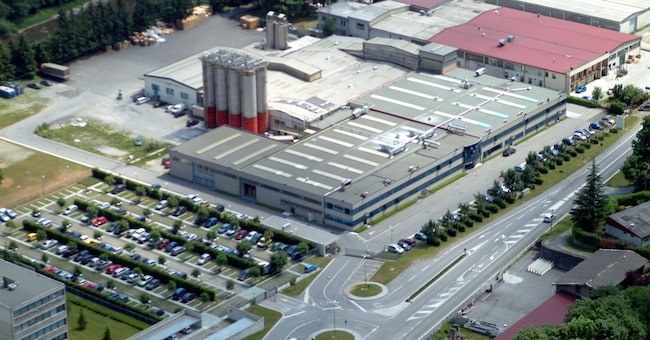
What, however, does the new American ownership bring home from the industrial reorganisation? First and foremost, a group with solid industrial experience behind it (the foundation dates back to 1941, ed.) that can count on a workforce of over 3,000 employees and that now has plants in every part of the world from Asia, in China, to Brazil, the United States and Mexico. Radici also has a solid position in Europe, in Germany, with heavy chemicals in Zeitz, polymers and plastics in Lunemburg and textile fibres in Selbitz. Turning to Italia, in the province of Bergamo, on the chemical front the plants are those at Villa d'Ogna and Casnigo, which produce polyamide from caprolactam. But the largest plant is located in Novara, in the industrial area where over 350,000 square metres are expanded and polyamide 66 is produced.
In short, the Texas fund is taking over a jewel built over time that can now rightly be called a global leader in the polyamide (nylon) value chain, particularly in the automotive, industrial, electrical and electronics, and consumer goods sectors.

