
Clothes, toys and food: the fight against counterfeit ‘Made in Italy’ products is in full swing
In 2025, over 5 million counterfeit products were seized, whilst in the first half of 2026, over 730,000 items were seized

Key points
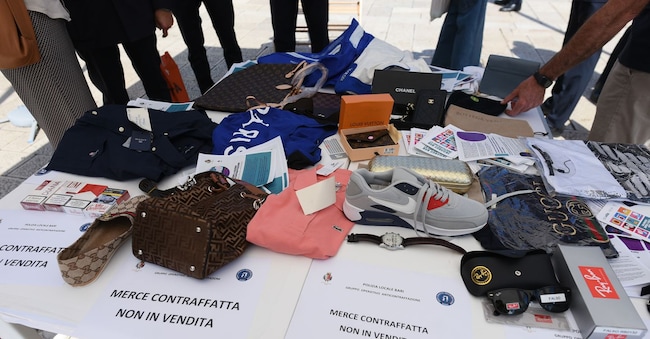
Targeted customs checks on containers arriving at ports – through which the largest proportion of counterfeit goods passes – and closer monitoring of e-commerce consignments. Furthermore: laboratory analyses and ‘innovative data analysis systems’ to identify in advance which consignments require inspection. This is the strategy employed by the Customs and Monopolies Agency to combat counterfeiting, which in 2025 led to the seizure of over 5 million counterfeit products. In the first six months of 2026, over 730,000 items were seized.
The data were presented at the conference dedicated to the ADM’s National Anti-Fraud Network, which formed part of Anti-Counterfeiting Week organised by the Ministry for Enterprise and Made in Italy.
Differences between sea freight and e-commerce
The main channel for imports remains commercial maritime transport: containerised shipments, explains the ADM, enable ‘the handling of large quantities of goods’.
At ports, the issue of counterfeit goods carried by passengers in their personal luggage arriving from abroad persists, whilst consignments linked to online trade are becoming ‘increasingly significant’, involving limited quantities but a large number of parcels.
Products
At the top of the list of the hardest-hit categories are toys, games and sports equipment. These are followed by tobacco products, clothing and accessories, then food, drink and cosmetics – sectors in which counterfeiting also poses a risk to consumers, because, as the Agency’s director Roberto Alesse pointed out, ‘a counterfeit product does not meet safety standards’.

