
Coface, with Hormuz blockade at risk
The closure of the Strait does not only impact the rise of oil and gas. Among metals, aluminium is the most at risk

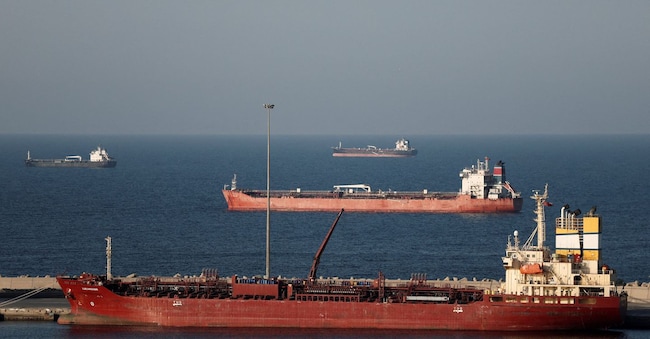
One month after the start of the Israeli-US offensive against Iran, disruptions in the supply of raw materials through the Strait of Hormuz continue to fuel price volatility. At the moment, the most affected sectors are oil and gas, fertilisers, petrochemical derivatives and aluminium. "The current escalation in the Middle East is hitting commodity markets hard. The magnitude of the current shock on the downstream stages of the value chain will depend on whether the conflict stalls," says Simon Lacoume, sectoral economist at Coface.
On the energy front, Brent crude oil, peaking at USD 119, has risen by 50% in a month, while the US Wti is hovering around USD 100 per barrel. As the conflict continues, this rise is already starting to spread along the value chain. In the US, retail prices of ordinary gasoline reached an all-time high ($3.96/gallon, +35% on a monthly basis). In Asia, diesel prices (Singapore) almost tripled since the beginning of the conflict. The rises also affectednatural gas, which reached EUR 55 per megawatt hour on the Ttf platform in Amsterdam, while the Asian benchmark (Lng Japan/Korea Marker) doubled over the same period, reflecting the continued vulnerability of import markets. In comparison, the US market appears less exposed to supply disruptions.
"When the Strait of Hormuz comes to a standstill, the problem is not only about the price of the barrel: it concerns the retention of production chains that have built their operations on those flows," points out Ernesto De Martinis, Coface's Mediterranean & Africa Region CEO. "Fertilisers, polymers, aluminium: these are inputs that enter the processes of sectors that are apparently far from the Middle East, but which today have to deal with sharply rising costs and increasingly uncertain supply times. In such an environment, the ability to quickly assess the exposure of one's trading counterparts becomes a decisive element. This is why we will continue to follow the evolution of the situation with the utmost attention, updating our risk analyses in real time'.
Aluminium the metal most at risk
With the Strait of Hormuz blocked, the Gulf States - which account for 8% of world aluminium production - are unable to export their domestic production or import the raw materials (bauxite and alumina) needed for their smelters, Coface experts note. On Monday, 16 March, Aluminum Bahrain (Alba), which produces 25 per cent of the region's aluminium, consequently announced the suspension of 19 per cent of its production, or 5 per cent of the regional aluminium output. Away from the turmoil in the Middle East, Mosal announced the suspension of its operations in Mozambique, citing energy costs deemed excessive. Against this deteriorating backdrop, aluminium prices therefore continued to follow an upward trend (+11.5% on a monthly basis), peaking at $3,500/tonne (12 March), after an increase of almost 25% over the past year.


