
Cohesion: Concerned regions call on government to take position in EU Council
The fear is of a major downsizing of European regional policies in the next multiannual budget 2028-2034, until the closure of DG Regio

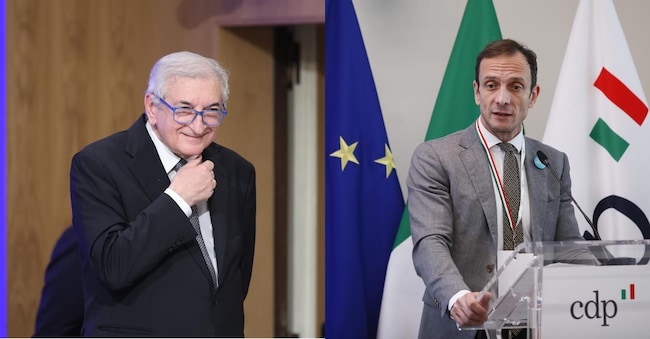
There is growing alarm among the regions about the far-reaching changes in cohesion policy that the European Commission is working on in view of the next multiannual budget. After the major downsizing of the resources for regional policy in the 2028-2034 financial framework, a project to reorganise the directorates-general has been leaked in recent days, which would in practice eliminate DG Regional Policy (DG Regio), which manages the cohesion funds in direct contact with the regions. In a letter sent on Friday by President Massimiliano Fedriga to European Affairs Minister Tommaso Foti, the conference expresses "its disagreement with a new architecture for the next MFF that would reduce and merge cohesion policy into a single fund, with the risk of weakening the identity and effectiveness of a founding EU policy. The regions are also concerned about "the hypothesis of a progressive weakening" of DG Regio, "up to the risk of its suppression", with possible negative effects on regional administrations. Faced with the risk of the very concept of 'cohesion' disappearing from the European vocabulary, Fedriga calls on Minister Foti and the government to take a position in the EU Council on the future of cohesion, through the drafting of a Non-paper in which they want to be involved in defining a common position.
The vice-president and head of Cohesion, Raffaele Fitto, did not confirm but neither denied the rumours, which added to the concerns.
Fears of centralisation
The coordinator of the Conference of the Regions, Antonello Aurigemma, and the Delegate for European Affairs Coordination, Gianpietro Comandini, explained the regions' concerns in more detail.
"Over the past decades, cohesion policy has been one of the main instruments through which the European Union has been able to reduce territorial disparities, support local investments and strengthen the proximity of European institutions to citizens. Calling this system into question would undermine a balance built over time and based on the principle of multi-level governance," they said.


