
The Collio Friulian colours along the routes of the Great War
This territory is discovered at a slow pace, with authentic experiences that combine wine, nature and memory

3' min read
3' min read
The Collio region is discovered at a slow pace, with authentic experiences that combine wine, nature and memory.
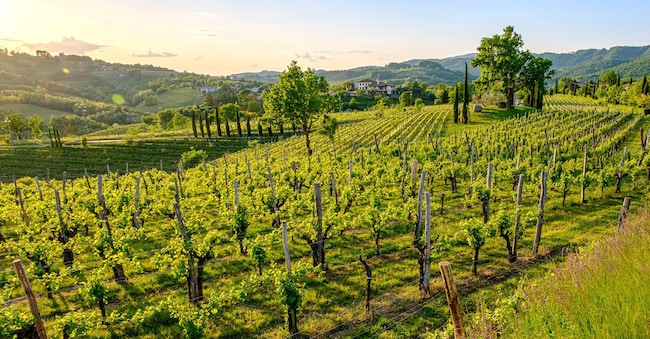
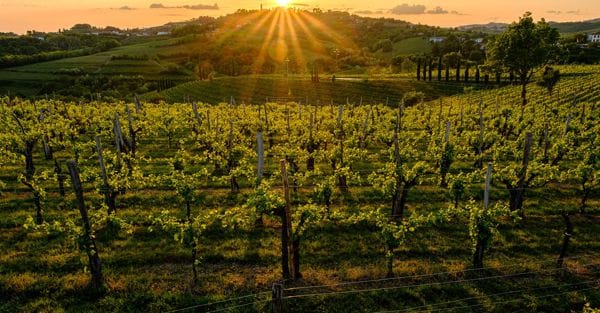
Tidy, verdant vineyards, symbolising the harmony between nature and the work of man, cover the rolling hills of Collio, in Friuli Venezia Giulia. This fascinating territory, which stretches from the Julian Alps to the Adriatic Sea, is among the most suitable areas for viticulture in the entire region. A borderland, where cultures and traditions intertwine, and where a particular type of soil - called ponca and composed of marl and sandstone - has marked the destiny of these places in opposite ways. On the one hand it gives minerality and identity to the renowned Collio DOC wines, while during the First World War it was used to dig trenches, becoming the scene of violent battles that have written the pages of history. With the arrival of autumn, Collio is an ideal destination to explore slowly: between wineries that tell the story of the passion for wine and itineraries in the memory of the Great War.
Visit to World War I memorial sites
.There are numerous itineraries named after the Great War that cross Friuli Venezia Giulia among monuments, museums and landscapes. Visiting these places means immersing oneself in the memory of a past that profoundly marked the territory. Here, along the course of the river Isonzo, some of the most violent battles of the First World War were fought. A first stop can be the Great War museum in Gorizia, which in ten themed rooms retraces the life at the front of Italian and Austro-Hungarian soldiers and the drama experienced by the civilian population. Moving just outside the city is the Ossuary of Oslavia, a funeral complex built in 1938, which holds the remains of 57,000 soldiers who fell in the tragic battles in the area. On Mount Calvario, located on the heights of Gorizia, three monuments commemorate those who fought: the obelisk, the three crosses and the memorial stone dedicated to the Julian volunteers. Not far away is the imposing Redipuglia Military Memorial, Italy's largest military shrine enshrining the bodies of 100,187 fallen soldiers. Another stop is in Sagrado with the Mount San Michele Museum: thanks to multimedia technology and content, historical reconstructions offer visitors an immersive experience of some of the events of the First World War.
Between vineyards, tastings and autumn views
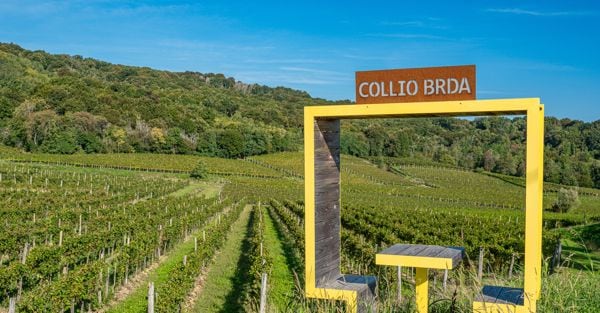
With the poetic passage from grapes to wine, Collio reveals all its soul: that of a hard-working land, where the work of the vine-growers marks the rhythm of the seasons and the harvest becomes a collective rite. This is a land where the Collio DOC, recognised since 1968, is produced, with indigenous grape varieties predominating in the production of white wines such as Collio Bianco, Friulano, Malvasia, Picolit and Ribolla Gialla, and international grape varieties from which wines such as Chardonnay, Pinot Grigio, Pinot Bianco and Sauvignon are made. A mosaic of hills with a vocation for vine-growing, where each cellar bears witness to a tale of family, passion and work, and there are numerous wineries that, throughout the year, open their doors to visitors for tours and tastings by appointment. An opportunity to experience the Collio during this special harvest period is provided by the various events that are organised during this period. Among the wineries to visit are Graunar in San Floriano del Collio and Borgo Conventi in Farra d'Isonzo. The latter, owned by the Moretti Polegato family, produces wines both in the hilly territory of DOC Collio and in the alluvial plain of DOC Isonzo. Throughout the year, the Borgo Conventi estate offers the possibility of using the Palestra in vigna, a free wellness trail dedicated to the community, with equipment for exercising in the open air among the estate's vineyards, running or walking surrounded by nature. Other experiences in the Collio landscape include the Orange Bench Route in Oslavia, an itinerary to be done on foot independently and suitable for everyone (about 4-5 hours to complete it): seven symbolic benches, one for each winery belonging to the Apro Association (Ribolla di Oslavia).

