
Commercial desertification in historic city centres: municipalities working to save neighbourhood shops

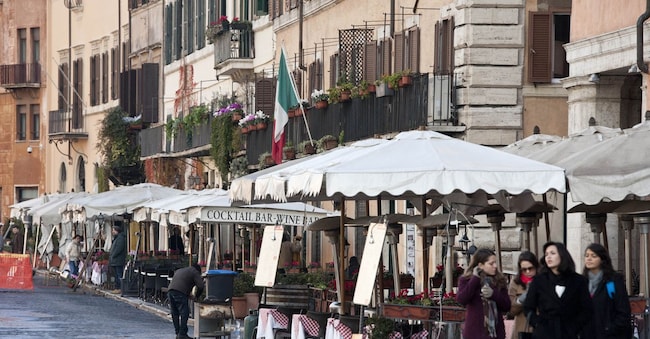
Yet another shutter in the old town centre closes; in its place, yet another takeaway pops up. It is a single destiny that unites tourist cities, where traditional activities - the so-called neighbourhood shops, books and toys, furniture, hardware, clothing - are being replaced by others more oriented towards tourists: restaurants, souvenir and trinket shops, 24-hour mini-markets and fast-moving activities designed more for hit-and-run consumption than for residents.
Data from Confcommercio speak, for medium-to-large municipalities alone, of almost 31 thousand closed retail outlets between 2012 and 2024; a figure that touches 118 thousand if we consider the entire national territory. A theme, that of commercial desertification, which does not only concern the loss of merchandise mix, but also affects the quality of life of citizens: "A shutter that closes also means less protection, less security, less social relations," say some municipal sources.
The Actions of the Municipalities
In the absence of a national scope of action, local administrations move as they can. Venice leverages its competences in the field of cultural heritage protection and urban decorum to introduce strict limits on the categories of goods allowed in certain areas of the historic centre. Bologna uses urban regeneration policies through calls for tenders for the recovery of empty shop windows. Bari relies on non-repayable grants for activities committed to improving the neighbourhood.
In the case of Milan, the action of census and protection of historic shops, economic and social strongholds of the neighbourhoods, has been relevant: the municipality established its own list of traditional activities some time ago, accompanying it with support and valorisation measures; an example taken up by other cities - and then included by various regions in local legislation - which finally led to the establishment of a national register, which came into force on 31 January 2025.
Meanwhile, at an inter-institutional level, Confcommercio has launched the Cities project, which through activities supporting the proximity economy (such as partnerships or redevelopments) promotes an urban vision in which shops and neighbourhood activities become to all intents and purposes civic actors and community reference points. 'As a confederation we have a litmus test of the effects of regulatory systems on individual cities,' explains Francesca Stifano, Confcommercio's Central Director for Institutional Relations and Legislative Services. 'This is a multi-level issue that needs to be addressed by several parties; a single local provision is not enough. Rather, a national urban agenda is needed, with a stable direction and multi-year resources, as is the case in France or Germany, including both housing measures and proximity economies'.

