
Virus in Congo, 5 questions and answers to understand the risk of spread and what happened to the patient in Lucca
The experts of the task force of the Ministry of Health will also have the task of reporting to the regions what is happening and to give indications as soon as there is evidence

3' min read
Key points
- What do we know internationally about the still undiagnosed disease in Congo?
- What interventions are taking place in the area?
- What is the risk of spreading?
- Samples from a fever patient returned from Congo were sent to the ISS: what happened?
- When will the Iss analyses of the Lucca patient be ready? What kind of analyses will be carried out?
3' min read
A task force of the Ministry of Health on infectious diseases has been set up to monitor the development of situations starting with the one in Congo in recent weeks. This was decided at a technical meeting this morning between the ministry and the Iss, according to information. It will be composed of the director of the department, Mara Campitiello, head of the ministry's Department of Prevention, Research and Health Emergencies, and representatives of Aifa and Iss. The experts will also have the task of reporting to the regions on what is happening and giving indications as soon as there are elements. Meanwhilethe Iss has prepared a questionnaire with questions and answers on the disease that has caused many deaths in Congo in recent months, especially among children and young people.
What do we know internationally about the still undiagnosed disease in Congo?
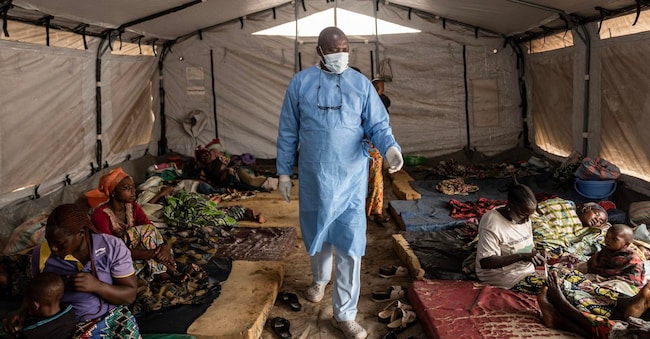
Between 24 October and 5 December, 406 cases of an undiagnosed disease with symptoms of fever, headache, cough, rhinorrhoea (runny nose) and muscle aches were recorded in the Panzi area of Kwango province in the Democratic Republic of Congo. According to data reported by the WHO, all serious cases were in people with severe malnutrition, and 31 deaths have been reported to date. Most of the cases have occurred in children, particularly under five years of age. The main symptoms associated with the deaths are fever, breathing difficulties, anaemia, and signs of acute malnutrition (the area is suffering from a severe food crisis). The area is rural and located in a remote and difficult to reach area, about 48 hours away from the capital Kinshasa. Access to the affected area is made even more difficult by the current rainy season. This, together with the limited diagnostic capacity in the country, poor vaccination coverage and limited access to drugs and protective equipment is delaying the identification of the cause and control of the outbreak. (Here is the latest WHO bulletin on the subject).
What interventions are taking place in the area?
The WHO sent a rapid response team to the scene to identify the causes of the outbreak and strengthen the response. Given the clinical picture of the cases and the reported symptoms, hypotheses currently being considered as the cause of the disease include acute pneumonia, influenza, Covid-19, measles and malaria, with malnutrition as a concomitant factor. Laboratory tests are underway to identify the cause, but at the moment it cannot be ruled out that more than one disease is contributing to the cases and deaths.
What is the risk of spreading?
.According to the latest WHO bulletin, the risk of spread is high for the affected communities. At the national level, the risk is considered moderate due to the nature of the outbreak, which is currently localised to the affected area. There is, however, the potential for spread to neighbouring areas. At regional (meaning African region for WHO), European and global level, the risk is currently low.
Samples from a fever patient returned from Congo were sent to the ISS: what happened?
The Istituto Superiore di Sanità (Higher Institute of Health) took immediate action upon receiving the report that a patient returning from the Congo with symptoms similar to those described in the African country had been admitted to the San Luca Hospital in Lucca, alerting the Ministry of Health. The person, hospitalised since 22 November, was discharged on 3 December because he had recovered. but no diagnosis has yet been made. Some serum samples taken from the patient in the acute phase and after recovery have been sent to the Iss for analysis.

