
Connected mobility: demos from the European ENVELOPE project presented in Turin
The prototypes will simulate the dynamic reconstruction of an accident, the autonomous updating of maps and the exchange of information between vehicles

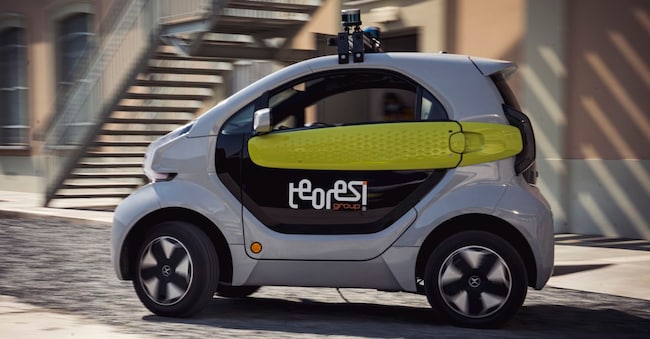
The European Envelope project, dedicated to autonomous driving technologies and funded with 7 million from the National Recovery and Resilience Plan (PNRR), has come to an end. The first on-road demonstration, showcasing applications in connected driving, advanced 5G networks and urban infrastructure, was presented at the Polytechnic University of Turin. After almost three years of research and development, the European project has entered its operational phase.
The project’s prototypes will simulate the dynamic reconstruction of an accident using an autonomous vehicle, the autonomous updating of maps and the exchange of information between vehicles, as well as the autonomous reconfiguration of connected vehicles on the road. These are some of the use cases being tested. The trial brings together research, industry, digital infrastructure and the capacity to conduct trials in a real urban environment.

In Italia, the market for connected vehicles and smart mobility is worth 3.7 billion euros, with over 18.8 million connected cars on the road (more than 40 per cent of the national fleet) and 54 per cent of Italians saying they would be willing to use a self-driving car. It is against this backdrop that the ENVELOPE project comes into play; following an initial phase of research and technological development, it is now entering a new operational phase and bringing its first on-road demonstrations to Turin in a real urban environment. There are 25 project partners in total, including the City of Turin; the Teoresi Group – which is providing two prototypes of autonomous and connected cars, equipped with an on-board system that controls the vehicle and manages data exchange with the infrastructure – the LINKS Foundation – which equips the vehicles with on-board units enabled for advanced 5G to communicate with the digital infrastructure and urban safety services – TIM Enterprise, HPE and Nextworks.
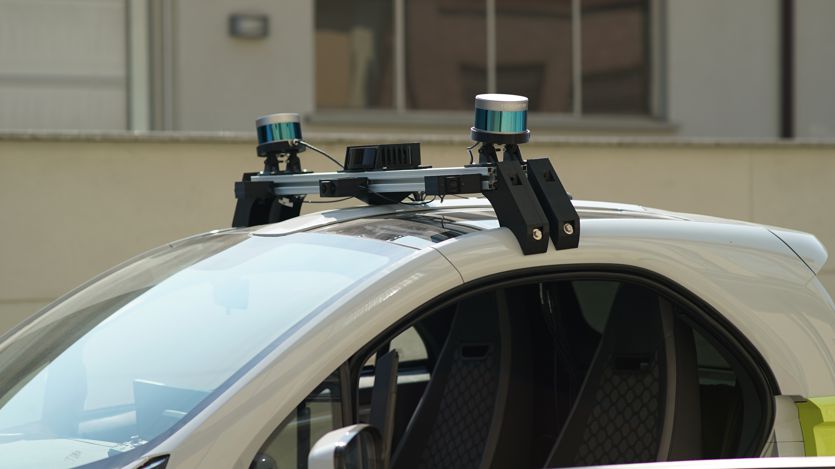
Among the findings of ENVELOPE are proposals to remove certain barriers to the development of autonomous and connected driving, ranging from overcoming regulatory fragmentation across European countries to ensuring the interoperability of road maps. ENVELOPE is one of 27 research, innovation and experimentation projects selected under the second call for proposals by the Smart Networks and Services Joint Undertaking (SNS JU) and forms part of the City’s multi-year programme on open innovation, such as Turin City Lab and the ToMove Living Lab.
“The aim of the ENVELOPE project is to support the development of experimental platforms and large-scale trials to promote the roll-out of 5G and test technologies that will lead to the definition of 6G, as applied to autonomous and connected driving in an urban environment,” emphasises Marco Bazzani, Innovation Manager at the Teoresi Group.


