
Construction sites shut down and freephone helplines: measures to combat the heatwave. Climate-controlled shelters in cities
To cope with the heatwave that has hit Italia and parts of Europe, local councils and regional authorities are taking action to protect citizens from extreme temperatures through heatwave measures, cooling centres and freephone helplines

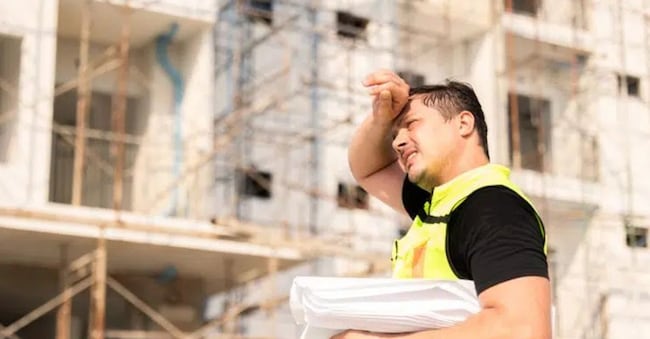
Italia is in the grip of the extreme heatwave that has been sweeping across much of the continent since last week, and the regions are taking urgent measures to mitigate the risks posed by the high temperatures. From cooling centres to the suspension of construction work during certain hours, public authorities are seeking to protect delivery riders, labourers and all workers most exposed to the extreme weather conditions recorded in recent days.
Heatwave regulations
Piedmont was among the first regions to take action; at the end of last May, it brought forward by one month the measure introducing extraordinary measures to protect those working outdoors, and in particular those employed in the agricultural, horticultural, construction, logistics (including delivery riders), quarrying and all those exposed to intense and prolonged physical exertion in the sun.
Further regulations were subsequently issued in numerous regions, including Friuli Venezia Giulia, Campania, Veneto, Liguria, Tuscany, Lazio, Puglia, Sicily, Emilia-Romagna and Lombardy, where a ban on outdoor work between 12.30 pm and 4 pm has come into force on days and in areas where the Worklimate platform indicates a ‘high’ risk for those engaged in intense physical activity.
Freephone numbers and climate shelters
Climate shelters – public spaces where people can seek refuge from the heat – are also essential in combating extreme temperatures. These are freely accessible, air-conditioned indoor venues – such as libraries, museums or shopping centres – or shaded green spaces: they are not healthcare facilities and continue to carry out their usual functions. Among the local authorities most active in this regard is Bologna, which is strengthening its network of climate shelters with the addition of eight new public spaces, including neighbourhood community centres and gardens.
The 1500 helpline, public service number run by the Ministry of Health in collaboration with INAIL, is also available throughout Italia, offering free advice and information to members of the public. The helpline is operational from 22 June to 11 September 2026, Monday to Friday, from 9 am to 5 pm, excluding public holidays. Operators provide useful advice on preventing the health effects of the heat, guidance on local services set up by regional and local authorities, medical and health counselling, and information on protecting the health of workers exposed to the sun whilst carrying out outdoor activities.

