
Consumption: intentions to purchase durable goods at their lowest level this year
Findomestic Observatory: in October, only 23 per cent of Italians considered this a good time to make major purchases

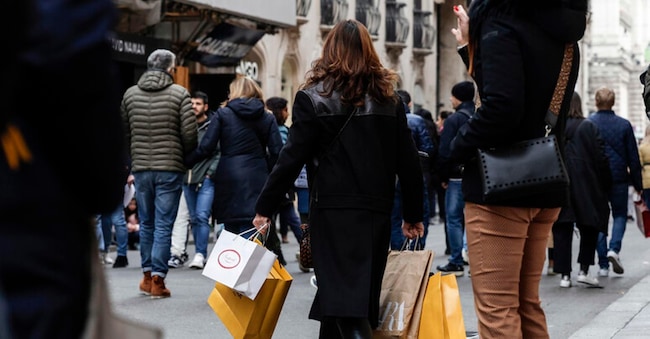
Italians’ purchasing intentions for the next three months fell by 4.4 per cent in October compared with September 2026, reaching their lowest level in the past year. This is according to the Findomestic Monthly Survey, which states that only 23 per cent of respondents consider this a good time to make major purchases. Since the summer, the proportion of households reporting that they have managed to put some money aside has risen from 55 per cent to 59 per cent.
“It is reasonable to expect a slowdown in private consumption, particularly in purchases of durable goods, which had performed better in the first half of the year”, says Alex Papi, an economist at Findomestic. In the automotive sector, new car sales fell to 12 per cent (-0.7 percentage points), used car sales remained broadly stable at 12 per cent (+0.1), and motorbike sales rose to 7 per cent (+0.3). Among household appliances, the most essential purchases are particularly favoured: large appliances rose to 25 per cent (+1.9), with expected spending of just over €1,000, whilst small appliances remained the second most popular category at 37 per cent (-0.3).
Purchase intentions are down in the technology sector (telephony -2.6, PCs -0.8), whilst the home sector is showing mixed results: condensing or biomass boilers are on the rise (+1.7), as are windows and doors (+0.9%), whilst heat pumps (-1.1), furniture (-2.1) and renovations in general (-0.4) are down. Travel is performing well (+2.8), whilst sports equipment (-3.4) and DIY (-1.4) are not. “Italians’ fears help to explain this caution,” adds Claudio Bardazzi, head of the Findomestic Observatory. “Inflation is cited by 65 per cent of Italians as their primary concern – the highest level in the last three years – whilst the decline in purchasing power returns to second place at 40 per cent. 85 per cent perceive prices to be rising, and over half consider them to be rising sharply. Optimism remains steady at 36 per cent, whilst 45 per cent of households consider their financial situation to be problematic.”

