Contemplations and discoveries on the waters of the sacred Nile
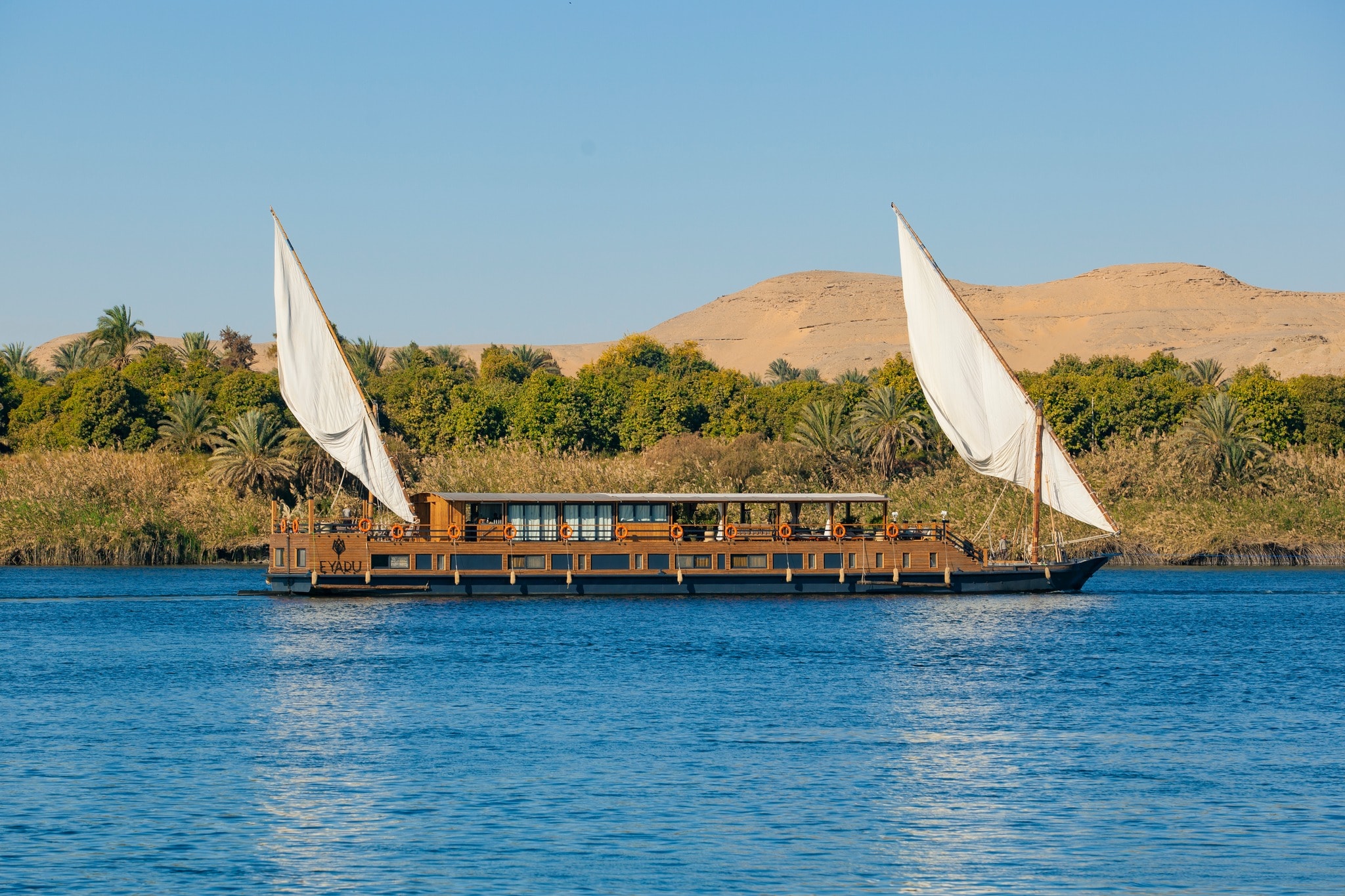
Cruising. On board an Eyaru, a typical wooden boat, we sail past ancient temples and daily life along the banks of the river


It is evening when we arrive in Luxor, at the berth of Eyaru, the dahabeya that will be our home for a week. A line of men in caftans greets us on deck with a lukewarm towel and a glass of carcadè. Behind, in the absolute darkness of the night, a bright cloud hovers. it looks like a spaceship ready to land. It is the Valley of the Kings, which is lit up at night. And you think, smiling, of those who claim that the ancient Egyptians were extraterrestrials, when they are just proof of the sheer size of civilisations for thousands of years. Only the next day, at dawn, do you realise that that metaphysical vision is indeed the Theban Necropolis, which you have heard about since primary school. We leave when it is still dark to anticipate the other tourists and enjoy the spectacle in a few. The guide who accompanies us for the entire cruise on the wooden dahabeya of the tour operator Kel 12, not only knows how to go against the flow to avoid the crowds, but also helps to observe these monuments in the right way. The tunnel leading to the tomb of Ramses VI has walls covered with hieroglyphics: these are the litanies of Ra, the Sun god. Then the scenes begin: the prisoners, the boat of the deceased, the constellations, Isis and Osiris, Maat, the goddess of cosmic harmony who welcomes the deceased by reassuring him about his journey. The sovereign's fingers, the flip-flops, the transparency of the dress are of extraordinary refinement. They seem to have been painted yesterday.
A slow journey of knowledge
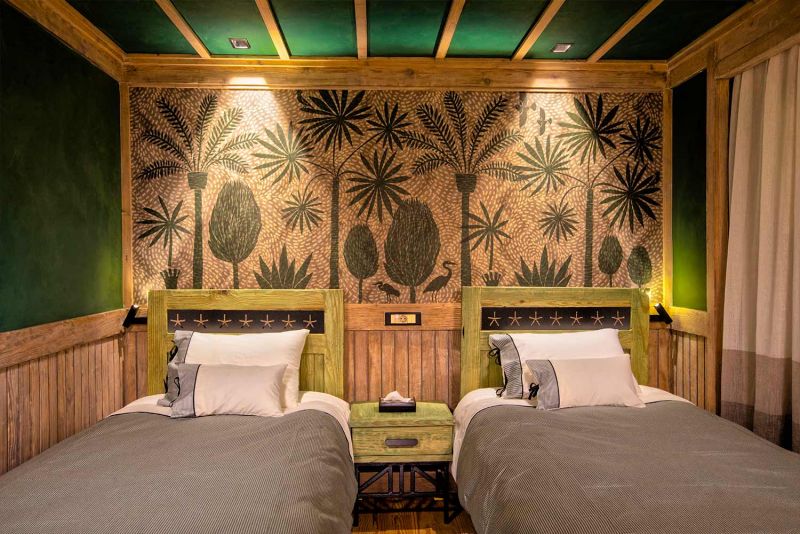
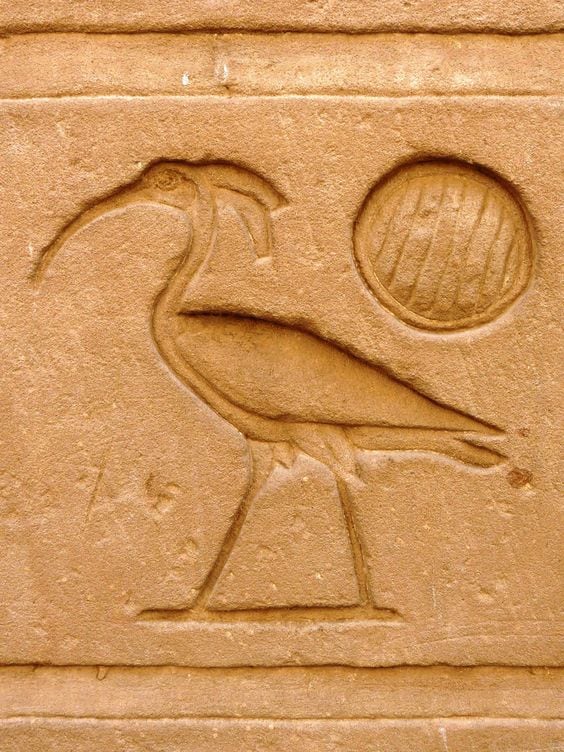
The Nile is an inevitably slow, contemplative, instructive journey. Eyaru proceeds towed by a trailer. The cabins are very cosy, but you live on deck, lying on chaise lounges watching life along the banks. The cries of the children, the laughter of the mothers, the dives of the boys at the lock, the prayers of the Muezzin, whose sermons fade among the palm trees and sugar cane plantations. With each meal, new flavours are discovered: koshari, falafel, Lake Nasser perch, ghee and village courgettes. Each time they change tablecloths, plates, glasses and menus, but not the collection of ibis in many colours and materials in the centrepiece. These sacred birds were revered in ancient Egypt because they could find drinking water and catch poisonous snakes. Many curiosities about the mythological universe of ancient Egypt become clear during the introductory lesson on the afterlife, which was more important to the Pharaohs than the afterlife. They spent their lives planning the passage into that elsewhere that frightens us and for them was the purpose of everything. A world, the otherworld, that they imagined extraordinary and of which the grandiose temples were the human projection. The Karnak complex, with the Temple of Amun with its 134 columns up to 26 metres high; Luxor, built by Amenhotep III, whose reign in the 14th century B.C. marked the height of Egypt's power and wealth; the temple of Esna with its restored zodiac signs and the double temple of Kom Ombo. At each stop the wonder grows until Abu Simbel, a masterpiece of the ancient Egyptians who built it, and of the engineers and technicians who moved it block by block in the 1960s to prevent it from being submerged by the waters of the new Aswan dam, where the cruise ends. A sacred world desecrated by tourists and by the phenomenon of Chinese influencers who cross the planet to be filmed dressed as vestals among these monuments, a journey worth thousands of followers and millions of likes on their social The Little Red Book.
Experiences in navigation
By day, the boat sails alone. On deck you do yoga, chat, wait for the sunset. Inside, you stay cool, relax on the sofas, watch Murder on the Nile, and realise that out there, the scenery hasn't changed that much since 1978. In Bissau, the island-village with the little blue houses, people travel by donkey and communicate by smartphone. In front of the houses, chickens scratch around and the family buffalo is parked. A friend of the captain's receives us with the whole family reunited and bids us farewell with a bunch of freshly picked vegetables and a basket of eggs for breakfast. Gradually, the Nile becomes a clock, a road, the only horizon. That river, the longest in the world, fertilises whatever it touches with its silt and has tested man's intelligence with its floods and whims. Thus life around it always thrives. In ancient civilisations as in modern metropolises.