Contemporary African art: the slowdown after the boom
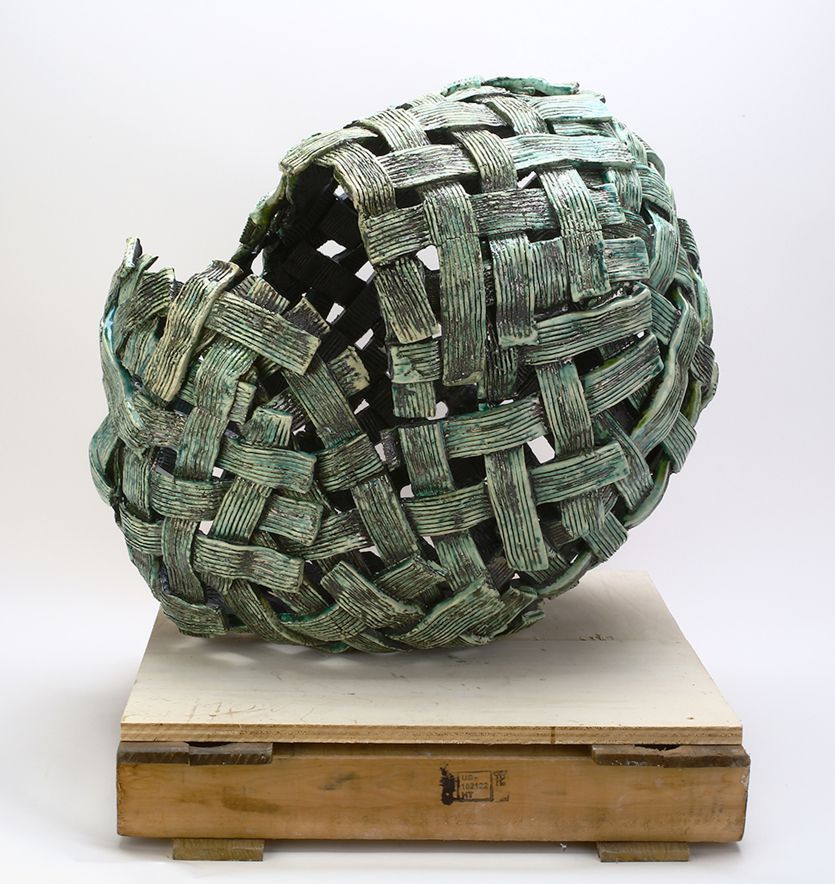
Declining global market and more cautious collectors. Fair 1-54 holds out and focuses on photography and ceramics and a record number of female artists

Key points
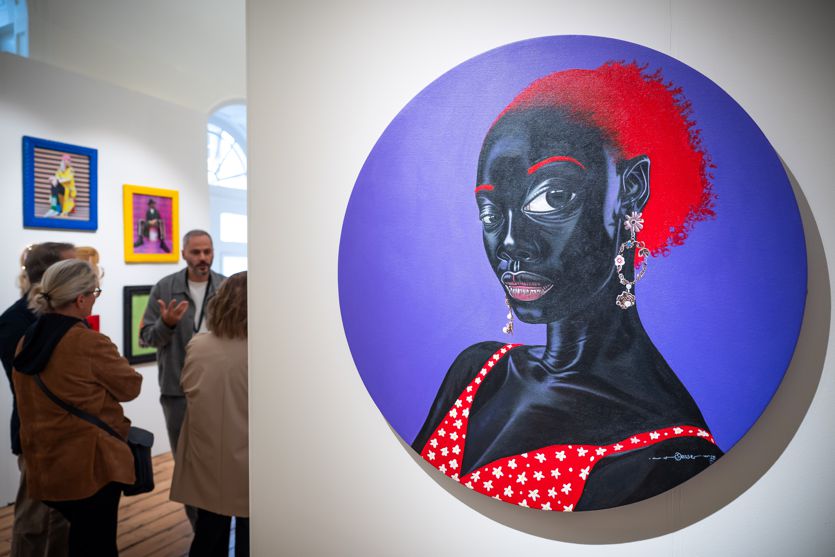
Anche il mercato dell’arte africana contemporaneo non è immune alla crisi globale. Nonostante la crescita esponenziale vissuta negli ultimi circa 15 anni, oggi si sente un rallentamento. “Siamo comunque in grado di organizzare tre fiere l’anno con numerosi artisti e gallerie per il tredicesimo anno” commenta la direttrice della fiera specializzata in questo settore 1-54 Contemporary African Art Fair, che si è tenuta in questi giorni a Londra (16-19 ottobre). “Ma sicuramente, dopo un ciclo molto positivo del mercato mondiale, che ha molto sostenuto la crescita del segmento dell’arte africana, oggi viviamo una decelerazione che si percepisce, soprattutto, nel genere del ritratto e dei dipinti figurativi. Se fino a due o tre anni fa c’era grande attenzione, soprattutto, grazie al movimento Black Lives Matter, ora questo entusiasmo si è spento. Ma ciò ha anche risvolti positivi, nel senso che c’è una ristrutturazione del mercato e una selezio
The slowdown is also affecting participation in art fairs, so much so that 1-54 hosted about ten fewer galleries this year than last year (there were 62 in 2024). The decline is also due to the new curated section organised by Frieze London this year, entitled 'Echoes of the Present' and dedicated to an intergenerational dialogue between Brazilian and African artists and the diaspora, also in connection with the Tate's exhibition dedicated to Nigerian modernism.
Prices for African Art
"Collectors are buying with a little less enthusiasm," explained Touria El Glaoui, "they tend to bargain more, as is happening in all segments of art. The uncertainty about the future is worrying. Despite this, the atmosphere at the fair was positive, with sales from the early hours at prices generally ranging from 6,000 to 25,000 dollars. But the bidding was even wider, ranging from hundreds of euros up to 150,000 euros at OH Gallery for the 1992 work 'Kangourou' by Viyé Diba, born in 1954, one of Senegal's most important artists, who last year made his international fair debut at Art Basel in Basel in the 'Feature' section.
Prices for African art have certainly risen over the years, for some even by 1000%, and this has also fuelled speculation. "It is a phenomenon that we always have to deal with and that neither we nor the auction houses would like to see. Fortunately, collectors on the continent are not speculators, and this keeps the market stable. In any case, artists need to have a secondary market, it is important for them.
The African art market is sustained, above all, by international buyers. "They will be 85-90% of collectors. They are the same as at other fairs such as Frieze," explained Touria El Glaoui. "We have a database of African and African diaspora collectors that grows every year, but they are still not at the same percentage. In Africa, people collect differently: collectors are true patrons of art, they commission works, they support artists even in their private lives, they are protectors of the ecosystem in their country, so sometimes they do not see the point of running around art fairs and paying maybe 50% more for the work through galleries, when they usually have a direct relationship with the artist."