
Cooking fish puts 80 per cent of Italians off it, whilst the ready-meal sector is on the rise
With less free time, smaller households and an increasingly fast-paced kitchen, Italians are opting for ready-to-eat fish. High-service products are on the rise and the supply chain is reorganising itself to meet the demand for convenience

Some people buy pre-packaged mini oysters for an aperitif, others opt for a ready-made sauce with bottarga or sea urchin to whip up a pasta dish in a matter of minutes, whilst others prefer boneless fillets, pre-cooked mussels or vacuum-packed meals. Fish continues to play an important role in the Italian diet, but the way it is bought and consumed is changing rapidly.
This shift is highlighted by an analysis carried out by Confcooperative Agroalimentare e Pesca, according to which around eight in ten consumers say they feel unsure when it comes to cooking fish. Several factors lie behind this hesitation: the fear of getting the preparation wrong, the perceived difficulty of cleaning fish and, above all, the time it takes to serve it. In an increasingly hectic daily life, whole fish that needs scaling and filleting is losing ground to products that require just a few minutes, or even no preparation at all, before eating.
This trend is also evident from the market figures. The seafood sector in the retail channel is now worth over 4 billion euros and continues to grow. Over the past year, growth stood at 3.6 per cent, whilst over the two-year period it reached 6.3 per cent. This growth is driven primarily by high-service-content products – those that reach the consumer already processed, portioned or ready to cook.
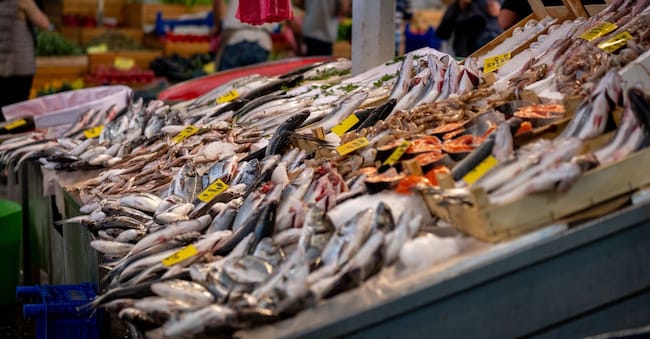
This trend is profoundly changing shopping habits. Whilst until a few years ago the fish counter was dominated by sea bream, sea bass and other species sold whole, today there is growing demand for solutions that simplify household chores. It is not uncommon for consumers to be willing to pay a significantly higher price just to cut preparation time to zero. Convenience, in this case, is not measured solely in euros, but also in minutes saved.
This transformation involves the entire supply chain. Fishing and marketing companies are investing in processing facilities located near landing ports , so that they can process the catch immediately upon its arrival on shore. The catch is cleaned, deboned, portioned and packaged before reaching supermarkets, specialist shops and fishmongers at local markets.

