
COP31: the focus is on electrification, but Italia is lagging behind
The Turkish presidency is aiming for 35 per cent of global final energy consumption by 2035. In our country, electricity accounts for 22.7 per cent. The shortfall is mainly in the transport sector, whilst industry is above the European average

Key points
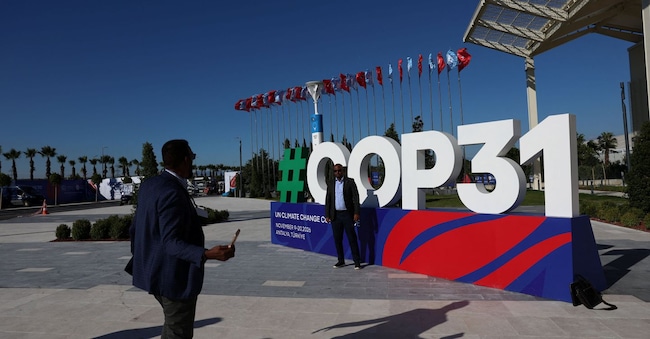
In Antalya, the Turkish presidency of COP31 will call on governments to commit to a joint effort to increase the share of electricity in global final energy consumption from just over 20 per cent to 35 per cent by 2035. This is the target set out by the Turkish Minister for the Environment, Murat Kurum, for the world’s most important climate conference, which opens on 9 November and which has a ministerial meeting dedicated specifically to electrification scheduled for the following day.
Italy’s position
The European Union, too, is heading into the summit with a negotiating mandate aimed at accelerating electrification; this was reiterated in the conclusions of the EU Environment Council, which were adopted on 12 October.
According to the report published by the Chamber of Deputies, Italia is said to have strongly supported – as stated in the report – “Poland’s proposal to present electrification as a means of accelerating the transition and to bring the commitments relating to the phase-out of fossil fuels and the tripling of renewables back within the framework of the GST1 (the first global stocktake on progress towards the Paris Agreement targets, concluded at COP28 in Dubai in 2023, ed.) the commitments relating to phasing out fossil fuels, tripling renewables and doubling energy efficiency”. Italia – alongside Poland, Bulgaria and Hungary – is therefore said to have pushed to prevent the introduction of new and more ambitious targets in the European proposal.
The impact of electrification
In Italia, solar power generated 45 billion kilowatt-hours in 2025, 25 per cent more than the previous year, overtaking hydroelectric power for the first time and thus becoming the second-largest source of electricity generation after gas. In the same year, electricity demand remained virtually unchanged, and electricity accounted for 22.7 per cent of final energy consumption: ‘Renewables have grown significantly over the last fifteen years, but electricity demand has remained static,’ says Andrea Barbabella, scientific director at Italy for Climate. “The real challenge is shifting consumption from fossil fuels to electricity. The three key areas are transport, heating buildings and industrial processes.”
The extent to which the electricity sector contributes to emissions is evident from the emissions figures. According to an analysis by Italy for Climate based on data from ISPRA and MASE, between 1990 and 2025 Italy’s annual emissions fell from 521 to 364 million tonnes of CO₂ equivalent. The study attributes 109 of the 157 million tonnes of this reduction specifically to the electrification of the Italian economy.

