Climate change

Copernicus: July 2026 was the second-hottest on record in Western Europe

The average surface air temperature in the region was 22.48 °C, 2.53 °C above the 1991–2020 average

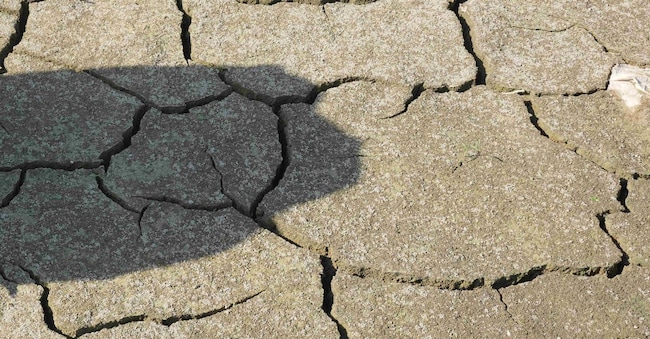
foto simbolica - letto prosciugato del fiume, lunedì 10 agosto 2026. (Foto AP/Antonio Calanni)      Associated Press/ LaPresse Solo Italia e Spagna APN

2' min read

Translated by AI
Versione italiana

2' min read

Translated by AI
Versione italiana

July 2026 was the second hottest July ever recorded in Western Europe. The average surface air temperature in the region was 22.48 °C, 2.53 °C above the 1991–2020 average, and only slightly lower than the record set in July 2006.

This is reported by the Copernicus Climate Change service in its latest monthly climate bulletin.

Loading...

The heatwave affected the region during the first half of July and again towards the end of the month.

France recorded its hottest July on record, with an anomaly of +3.8 °C, adds the EU satellite centre.
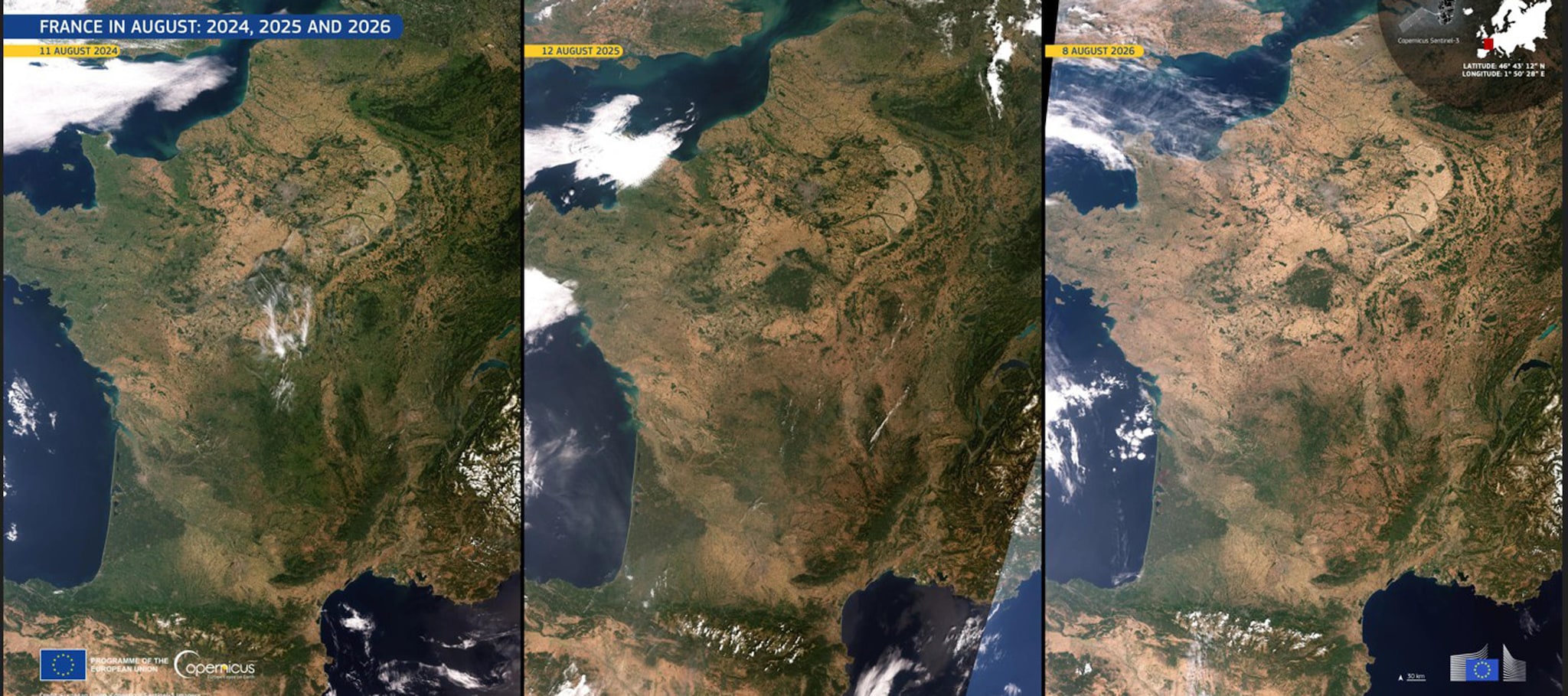
Francia e siccità

Secondo l’Osservatorio europeo sulla siccità (EDO), a metà luglio 2026 oltre l’85% del territorio nazionale era soggetto a condizioni di allerta o avviso di siccità, rispetto a circa il 65% nello stesso periodo del 2025 e a meno del 2% nel 2024, un’estate in cui la siccità non era stata diffusa. Queste immagini a colori naturali di Copernicus Sentinel-3 illustrano tale contrasto. Nell’immagine a destra, acquisita l’8 agosto 2026, i toni del beige e dell’ocra dominano il paesaggio dalla costa atlantica alle pianure settentrionali, mentre le aree più verdi sono per lo più limitate alle foreste e alle zone montuose. In quella centrale, acquisita il 12 agosto 2025, aree di colore marrone chiaro si estendono nella parte occidentale del paese e nel bacino di Parigi. Nell’immagine a sinistra, acquisita l’11 agosto 2024, prevalgono i toni del verde, offrendo un chiaro punto di riferimento. L’EDO, parte del Servizio di gestione delle emergenze di Copernicus (CEMS), fornisce un monitoraggio sistematico e aggiornato della siccità in Europa, a supporto dell’allerta precoce, della valutazione dell’impatto e delle decisioni relative alla gestione delle risorse idriche. ANSA/Unione Europea, immagini Copernicus Sentinel-3

Aubac: Rome experiences its hottest summer in 25 years

The Roman summer of 2026 has so far been the hottest in the last 25 years. This is according to the analysis of the period between 1 June and 10 August, compiled by the Central Apennines District Water Authority (Aubac) using the 2002–2026 historical data series from the Rome-Macao weather station, which is representative of the city centre.

With an average temperature of 28.7 °C, 2026 ranks first among the 25 summers considered.

It also ranks first for average minimum temperature, at 23.2 °C, the number of scorching days with maximum temperatures above 35 °C, totalling 38, sweltering nights with minimum temperatures above 25 °C, totalling 23, and the duration of the uninterrupted spell of intense heat, which lasted 14 days.

In terms of average maximum temperatures alone, 2026 ranks second: 34.5 °C, two tenths of a degree lower than the 34.7 °C recorded in 2022.

Nor does it hold the record for the highest temperature recorded in a single day, which remains the 42.9 °C reached in 2023.

Copernicus satellite data also show the anomalies in average surface air temperature across Europe in July 2026, with a marked contrast between the west and the east, with temperatures well above average in the west and below average across much of the east and in some parts of the Scandinavian Peninsula and Finland.

Copyright reserved ©
Loading...
Loading...

Brand connect

Loading...

Newsletter

Notizie e approfondimenti sugli avvenimenti politici, economici e finanziari.

Iscriviti