
Nexi is on the move: a sector in turmoil with a major bid from Advent-Stripe for PayPal
The fintech company has been selected by the ECB, alongside 36 other banks and payment service providers, for the digital euro pilot project

Le ultime da Radiocor
Ue: von der Leyen e Zelensky firmano a Kiev partenariato sui droni
Ponte Morandi: Salvini, responsabilita' passato siano punite, Italia merita giustizia
Ferretti: Anastassov, non voglio cambiare societa' ma renderla ancora piu' grande
(Il Sole 24 Ore Radiocor) – Rumours of a massive 53-billion bid by Advent and Stripe for PayPal are giving the digital payments sector a boost. So, whilst the San Jose-based giant soars in US pre-market trading, in Milan Nexi takes the lead on the FTSE MIB. Adyen in Amsterdam and Worldline in Paris are also on the rise.
Specifically, according to reports in Reuters from sources close to the matter, the payments company Stripe and the private equity firm Advent International have submitted a joint bid to acquire PayPal Holdings at $60.50 per share, in a deal that would value the payments company at over $53 billion. Submitted in early July, the bid represents a premium of around 28 per cent on the previous day’s closing price and is expected to be backed by approximately $50 billion in secured bank financing. Following initial contacts dating back to last April, negotiations, according to sources, are still ongoing, with Stripe and Advent aiming to become joint owners of PayPal with an equal stake, without proceeding with a demerger of the company. Should it go ahead, the bid would be just the latest in a series of major deals in the digital payments market, which is grappling with rapid changes in financial technology and the rise of AI.
In 2025, for example, Global Payments acquired its rival Worldpay from FIS and the private equity firm GTCR for $24.25 billion. Furthermore, Mastercard is considering selling a majority stake in its UK-based subsidiary Vocalink, which operates in the payments sector, to UK banks. Paytech companies are, in fact, increasingly seeking to expand through mergers and acquisitions, in order to gain exposure to rapidly growing segments such as cross-border and business-to-business payments. In this context, a potential merger with Stripe – one of the sector’s most valuable privately held companies, valued at $159 billion in a recent deal – could be beneficial for PayPal. In recent years, the company has had to contend with a slowdown in growth and intensified competition, which have wiped out much of the value it gained during the pandemic. Over the past 12 months, its share price has fallen by over 40%, bringing its market capitalisation to around 36 billion (having peaked at 360 billion in 2021).
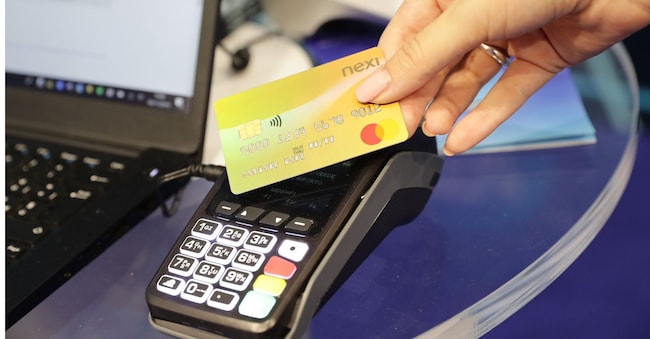
However, PayPal is not the only factor driving the digital payments sector. In Europe, companies in the sector are also keeping a close eye on the pilot project for the digital euro announced yesterday by the ECB. The ECB has selected 36 banks and payment service providers, including Nexi. For CEO Bernardo Mingrone, this project could provide a boost to the group. “In our plan, we have placed too much emphasis on the role of fintech, but Nexi is essentially a payments infrastructure,” he explained a few days ago on the sidelines of an event in Milan. “The digital euro will help us demonstrate this.”
Gabriel Debach, a market analyst at eToro, shares this view. “Nexi’s participation in the ECB’s pilot project – having been selected as one of 36 providers from over 50 applicants – is positive above all because it allows the group to contribute to shaping the new infrastructure, rather than having standards imposed on it from outside,” he writes in a note. “The news is therefore strategically favourable for Nexi,” although “it does not automatically act as a catalyst for earnings, not least because the pilot will not begin until the second half of 2027”. The expert confirms, however, that the group “has the credentials to remain central to the European payments ecosystem even after the introduction of the digital euro”.


