
Costa steps up pressure on EU countries; own resources crucial to budget agreement
The other sticking points are the size of the 2028–2034 budget and national contributions. German Chancellor Merz is bringing together the leaders of the frugal countries
from our correspondent Beda Romano
 Aggiungi Il Sole 24 Ore
ai preferiti su Google
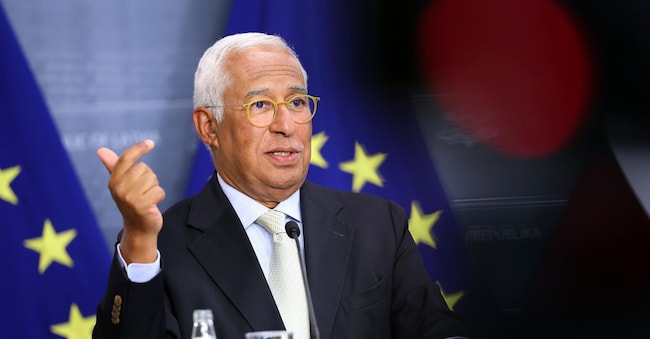
BRUSSELS – The summer break is drawing to a close in Brussels too, where work will resume in full next week. Meanwhile, the President of the European Council António Costa began a tour of European capitals on Tuesday 25 August in Bratislava – yesterday he was in Vilnius and Riga. The talks with heads of state and government focus primarily on the EU budget for 2028–2034. The aim is to reach an agreement by the end of the year. At the heart of the discussions is the creation of new financial resources.
Let us briefly recap the facts of the matter. In the summer of 2025, the European Commission presented a draft budget worth 2,000 billion euros, including the repayment of the NextGenerationEU. Since then, the 27 Member States have agreed on the instruments through which EU funds will be allocated in 2028–2034. The legislative texts will be negotiated with the European Parliament once the budget amount has been decided.
On Monday, an official from the European Council explained: ‘The key issues are the size of the budget, the level of national contributions and the role of own resources. The 27 Member States must strike a balance between these three elements (…) This time, the role of own resources could lead to a different outcome from that achieved in the past.” In practice, the greater the share of own resources in the budget, the more contributions per country can be limited, against a backdrop of new and costly priorities.
Currently, the budget is financed not only by national contributions but also by tariffs collected at external borders, a share of VAT and a levy calculated on non-recycled plastic packaging waste. In its draft budget, Brussels had proposed five further own resources: namely revenue from the ETS market, the CBAM environmental levy, the sale of tobacco, the failure to collect electronic waste, as well as a contribution from the largest companies.
Subsequently, the European Parliament joined the debate, proposing other potential sources of revenue, namely taxes on digital services, online gambling and capital gains arising from the buying and selling of cryptocurrencies. Despite the many proposals, the issue remains a sensitive one. Many Member States are afraid of losing tax revenue, whilst others fear that this would surreptitiously transfer the power to levy taxes to the European Commission.


