
EU, Costa: secondary sanctions on energy buyers from Moscow. The Kremlin: they will not make us change our position
Among the measures considered for the 19th sanctions package against Russia under consideration by the European Commission is the possibility of restricting the issuing of tourist visas to Russians

2' min read
2' min read
Yesterday Donald Trump said he was ready to impose new sanctions on Russia for the invasion of Ukraine, and Treasury Secretary Scott Bessent spoke explicitly of increased pressure on Moscow, aimed at the collapse of the Russian economy as a weapon to force Putin to the negotiating table.
The EU Commission confirmed that, on Friday, in addition to Vice President JD Vance, Ursula von der Leyen heard from US President Donlad Trump. The focus of the talks, explained Commission spokesman Olof Gill, was the war in Ukraine and the finalisation of the new sanctions package.
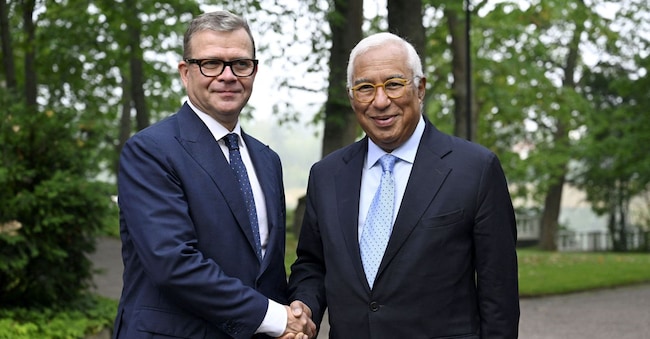
Today also the European Union, through the mouth of Council President Antonio Costa, aligns itself with the goal of extending sanctions towards Russia. "We now have everything we need to be ready to give security guarantees to Ukraine when there is peace. To get there, we must continue to support Kiev in the war and increase the pressure on Russia,' Costa said from Finland. 'This is not easy. We have to fight the shadow fleet and reduce Moscow's ability to finance the conflict, not only by increasing our sanctions but by imposing secondary sanctions on countries that buy gas and oil from Moscow."
"In the past months we have stabilised relations with our most important ally, the US, on defence, trade and Ukraine, as Washington is now determined to uphold the security guarantees necessary for lasting peace. We must increase pressure on Moscow and coordinate with the US on our efforts to align our measures to get Putin to agree to negotiate with Zelensky," Costa continued. "We are working on the 19th sanctions package in close cooperation with the US."
EU sources: towards tourist visa restrictions for Russians
Among the measures being considered for the 19th sanctions package against Russia under consideration by the European Commission is - as we understand it - also the hypothesis of limiting the issuing of tourist visas to Russians through stricter guidelines, also in light of the high number of entries recorded this summer. In addition, restrictions would be applied to diplomats from Moscow. A proposal made some time ago by Poland called for not allowing travel to Europe outside the country where the diplomat is accredited, in practice not applying Schengen.

