
Countdown to financing sustainable targets by 2030
Reductions in international aid threaten health care and emergencies in fragile countries
by Lab24
2' min read
2' min read
3,400 billion. This is the enormous annual funding gap the world needs to bridge to achieve the UN Sustainable Development Goals by 2030.
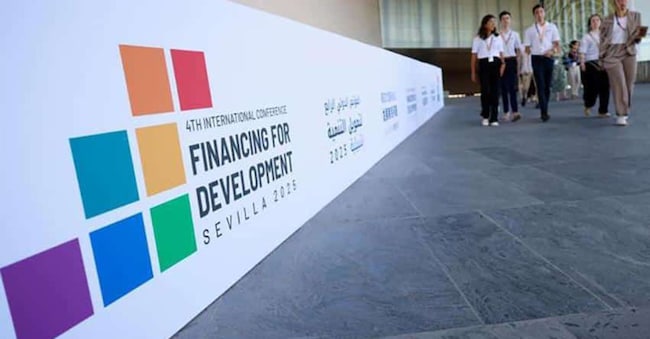
At the beginning of July, in Seville, during the Fourth International Conference on Financing for Development, a package of 130 reforms and actions - known as the Seville Compromise - was approved with the aim of reducing this gap.
However, in a context marked by growing conflicts and increasing political and trade barriers, the prospects for a real revival of economic support to the Global South appear increasingly dim.
One of the most worrying signals came from the United States, which not only refused to sign the outcome document, but also deserted the conference. A significant absence, considering that for decades the US has been the world's largest donor of official development aid, contributing between 25% and 30% of the global total.
This choice is not entirely unexpected: it follows the drastic 92% cut in funding for the US Agency for International Development (USAID) decided by the Trump administration.

