
Crafts and AI take centre stage at the London Design Festival
City hosted the 3,000 events of the annual festival, which showcases ‘Made in Britain’ as well as artists from all over the world. This year, the challenge was to combine innovation and tradition

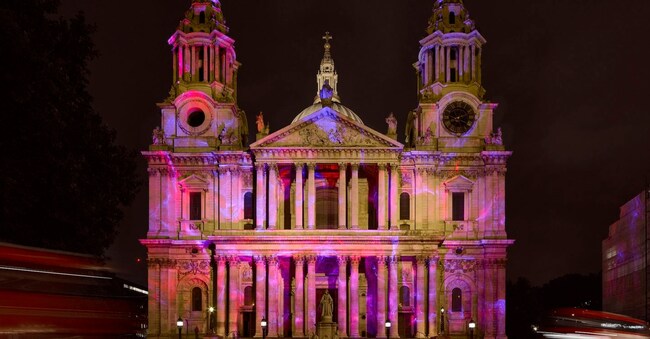
London was the global stage for design this week, with 3,000 different events organised across eleven of the city’s boroughs. The annual London Design Festival, whilst showcasing the best of ‘made in Britain’ creativity, also provided a platform for designers and artists from all over the world. The theme, which is crucial for everyone, is how to combine innovation and tradition.
“Traditional forms of craftsmanship are undergoing a transformation, as is the relationship between design and technology,” said Ben Evans, director and co-founder of the event, now in its 24th year. “ “The London Design Festival 2026 demonstrates that London retains its status as the world capital of design, engaging an ever-wider audience, partners from all sectors of the economy, and the rich tapestry of design stories that the Festival showcases.”
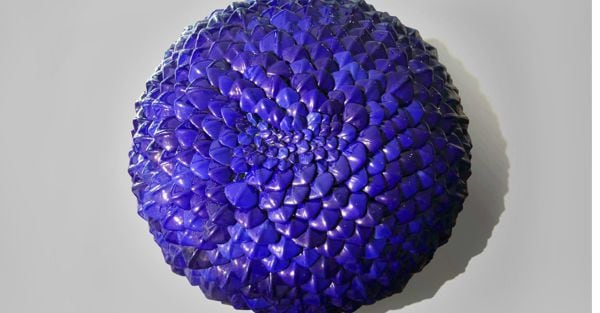
The central theme of the Festival was dialogue – between East and West, between the present and the past, between the physical and the digital, between the human and the artificial. The designers’ installations and creations were situated in various locations, utilising museums such as the Victoria & Albert and the Barbican, famous buildings such as St Paul’s Cathedral and Somerset House, as well as public spaces, streets and squares throughout the city, from Soho to Wapping.
The installation that has become the symbol of this year’s Festival is the Pangolin Shield, on the Strand in Aldwych, in the heart of the city. Created by Studio Saar and Atelier One, it is a structure made from the wooden and bamboo shields used by the Indian police to create a canopy reminiscent of the scales of the pangolin, the only armoured mammal and the animal most affected by illegal trafficking. The artwork, which can be admired for its beauty and offers shelter from the sun and rain, also invites reflection on the exploitation of people, animals and nature, and on the West’s complex relationship with its former colonies.
The Awakenings programme has invited designers from various countries to create works to be displayed within the Victoria & Albert Museum, intended to engage with the permanent collection of this British temple of design. Digital installations, sculptures and works created using artificial intelligence are intended to complement traditional, human-made works rather than present themselves as an alternative. Aziza Kadyri, for example, uses an AI model to recreate the tradition of Suzani, hand-embroidered textiles from Uzbekistan. ‘Technologies that risk erasing traditional forms of craftsmanship can be used as a means of preserving and reinterpreting them,’ explains Kadyri.
Brand connect


Newsletter RealEstate+
La newsletter premium dedicata al mondo del mercato immobiliare con inchieste esclusive, notizie, analisi ed approfondimenti
Abbonati