

Crumbled, split or opened: this is how 13% of pills lose their efficacy
In the RSAs, each elderly person takes an average of about 8 drugs, almost 17,000 per day throughout Italy, where it is the practice to manipulate them for ease of administration
Key points
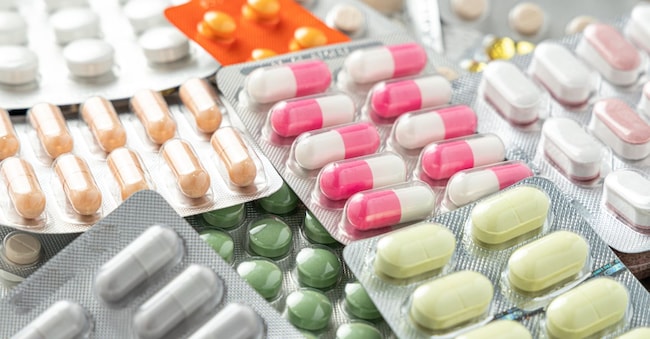
Crumbling, splitting or opening a pill can lead to the risk of losing part of the active ingredient and, consequently, the therapeutic dose and efficacy. Gastro-resistant capsules should never be opened because altering them involves removing the coating, designed to keep the drug intact, until it passes through the stomach and reaches the intestine, with potential toxic adverse effects as well as diminished benefits. Even slow- or controlled-release pills should not be broken or crushed, because they are formulated to maintain a constant level of active ingredient for 8, 12, or 24 hours and affecting the rate of absorption of the drug may lead to toxic effects.
Yet, especially in care facilities, where the elderly take a lot of medication, it is common practice to alter pills to facilitate their administration to those who have difficulty swallowing. Such habits were studied as part of the first national survey carried out in nursing homes to assess the appropriateness and risks of the prescribing pattern of drugs and their form of administration. The study involved 3,400 elderly residents in 82 facilities in 12 Italian regions representative of the entire national territory and was conducted by SIGG in collaboration with ANASTE Humanitas, which took a timely snapshot during Prescription Day 2024. The preliminary results of the survey have just been published in Aging Clinical and Experimental Research.
Approximately 17,000 pills are taken every day in nursing homes
"In the RSAs, each elderly person takes an average of about eight drugs a day, which expose 42% of the patients to at least one dangerous interaction, with cases of up to seven simultaneous interferences," say Dario Leosco, president of the SIGG and professor of Geriatrics at the Federico II University of Naples, and Andrea Ungar, creator of the study and professor of Geriatrics at the University of Florence. But significant risks also arise from the practice of manipulating drugs to be taken by mouth, especially pills. In fact, about 17 thousand are taken daily by the elderly in the Italian RSAs considered, out of a total of about 24 thousand prescriptions: to be precise, 15,927 are tablets and 850 capsules. However, the size of the pills can be a problem for those who have difficulty swallowing; consequently, in the RSAs one in three tablets is split or crushed, while just over one in four capsules is opened and 'camouflaged' with food and drink. Simple solutions, but not always appropriate in 13% of cases: 5% of all tablets administered and 8% of all capsules administered.
Still too many drugs in nursing homes, key role of the geriatrician
"Medication management is a complex process, which becomes crucial especially in RSAs, where the guests are generally older, more frail and with more chronic diseases, compared to the elderly who do not live in the community - reports Alba Malara, president of the ANASTE Humanitas Foundation -. In fact, the average age is 85 years old, 70% women, and almost all live with four or five chronic diseases, with dementia diagnoses in more than half of the guests who in many cases depend on assistance for most of their daily life . This context of clinical complexity involves taking an average of about 8 drugs per day including cardiovascular, psychopharmaceuticals and gastroprotectants, often with multiple daily administrations, up to 4-5 times. The most common interaction is the combination of several psychotropic drugs, which can increase the danger of falls and worsen cognitive status, especially in patients with dementia'.
Among the most interesting results, the role of the geriatrician within the residential facilities emerges: the data analysis shows that if this figure is present in the RSAs, there is a significant reduction, between 24 and 37%, of drug interactions. This highlights the importance of geriatric expertise not only in clinical assessment, but also in the appropriate and personalised management of therapies.

