
Cuba and the oil embargo, how the island is preparing for the worst
In Havana, silence has become an economic indicator. The testimony of an Italian entrepreneur who is on the spot

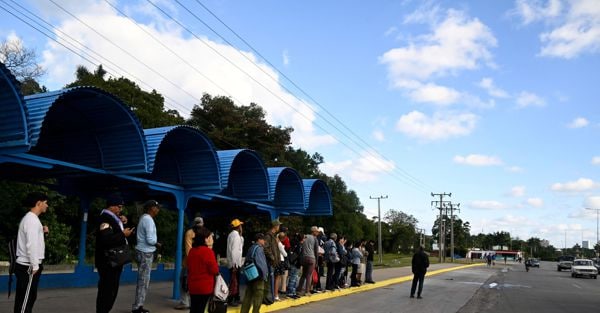
In Havana, silence has become an economic indicator. And the images coming from the bus stops, where vehicles hardly pass any more, are the most eloquent sign of how the oil embargo pushed by Donald Trump is shutting down the island.
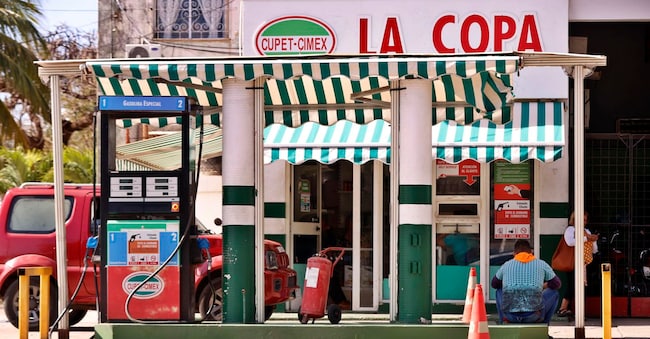
Those who have a car with a still-full tank are centring their trips. Petrol stations no longer deliver. Others are already on foot. The fuel crisis is rewriting the daily routine and, at the same time, the island's tourist narrative, especially that of the beaches and resorts that were supposed to bring in hard currency, while the country struggles to keep the lights on.
Since last Friday, says Matteo Saccani, an Italian coffee entrepreneur who is in Havana at the moment, an emergency plan to restrict fuel and energy has come into force. 'They have closed all the schools, up to the university, and are doing distance learning. Many public offices work three days a week. Companies have been asked to amalgamate production, reducing their days of operation'. On the ground, he adds, the most visible consequence is transport: 'They have slowed down, cancelled almost all public transport in the country, and for the time being they have suspended the distribution of diesel and petrol in petrol stations.
The heart of the crisis, in these hours, has reached the airlines: the Cuban government has warned airlines that jet fuel will not be available for international flights in a window running from 10 February to 11 March. It is a technical step that translates into an immediate effect on the tourist season: Air Canada, WestJet and Air Transat have suspended flights, and the carriers are organising repatriations and operational solutions such as boarding with more fuel or technical stopovers in the Caribbean, including the Dominican Republic. A situation that Saccani confirms: 'Yes, we understand that the airlines have scheduled a stopover in countries in the area, mainly in Santo Domingo, to refuel. I have a plane in the next few hours to return to Italia: the company has brought my flight forward a bit because they need time for the technical stopover, but for now the flight is confirmed'.
This is a detail that explains the phase well: the island, for the time being, remains connected, but at the cost of a longer ride and a logistical vulnerability that is seen and paid for.


