
"Cultural Connections' in Alto Tammaro: a bridge between past and future
From sheep tracks to towers and castles, the stage is set for a renaissance based on sustainable tourism in five municipalities
2' min read
2' min read
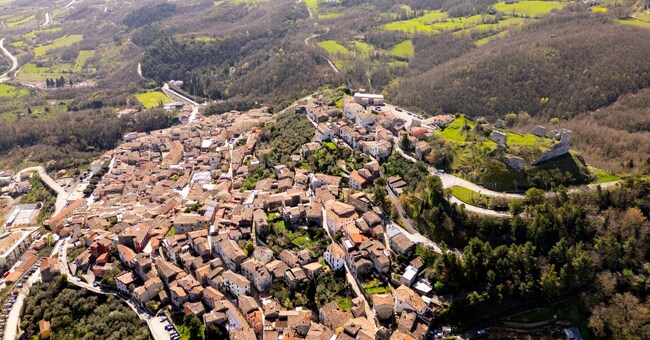
In the heart of the Campania mountains, Alto Tammaro preserves the thousand-year-old stories of communities that defy time. Five municipalities - Morcone, which is the lead municipality, Castelpagano, Santa Croce del Sannio, Sassinoro and Campolattaro - unite in a project to relaunch local identity and economy.
These lands witnessed the transhumance of the flocks in the Regio Tratturo, marking the lives of the ancient Samnite and Roman populations. Today, the communities face modern challenges such as an ageing population and social isolation. However, Alto Tammaro has enormous potential, as evidenced by the 'Cultural Connections' project, which aims to turn these challenges into opportunities.
The project - which participates in the Borghi Salute Benessere (Health and Wellbeing Villages) call for proposals promoted by the Campania Region and Scabec - aims to enhance the cultural and natural heritage through cultural, food and wine and nature events. The historic centres, with trattural churches, towers and castles, become the stage for an economic renaissance based on sustainable tourism. Through innovation and sustainability, Alto Tammaro opens the door to new experiences for visitors, who can immerse themselves in an authentic and preserved environment.
Involvement of the local community is crucial to preserve heritage and support tourism growth in a sustainable way. Inhabitants become custodians of their own history, passing on traditions and knowledge to future generations. Environmental education and respect for biodiversity are key pillars, ensuring that development does not compromise the natural beauty of the area.
However, there are challenges to be faced, such as managing the flow of tourists and infrastructure development. The balance between conservation and economic growth is delicate, but necessary to ensure a sustainable future for Alto Tammaro.

